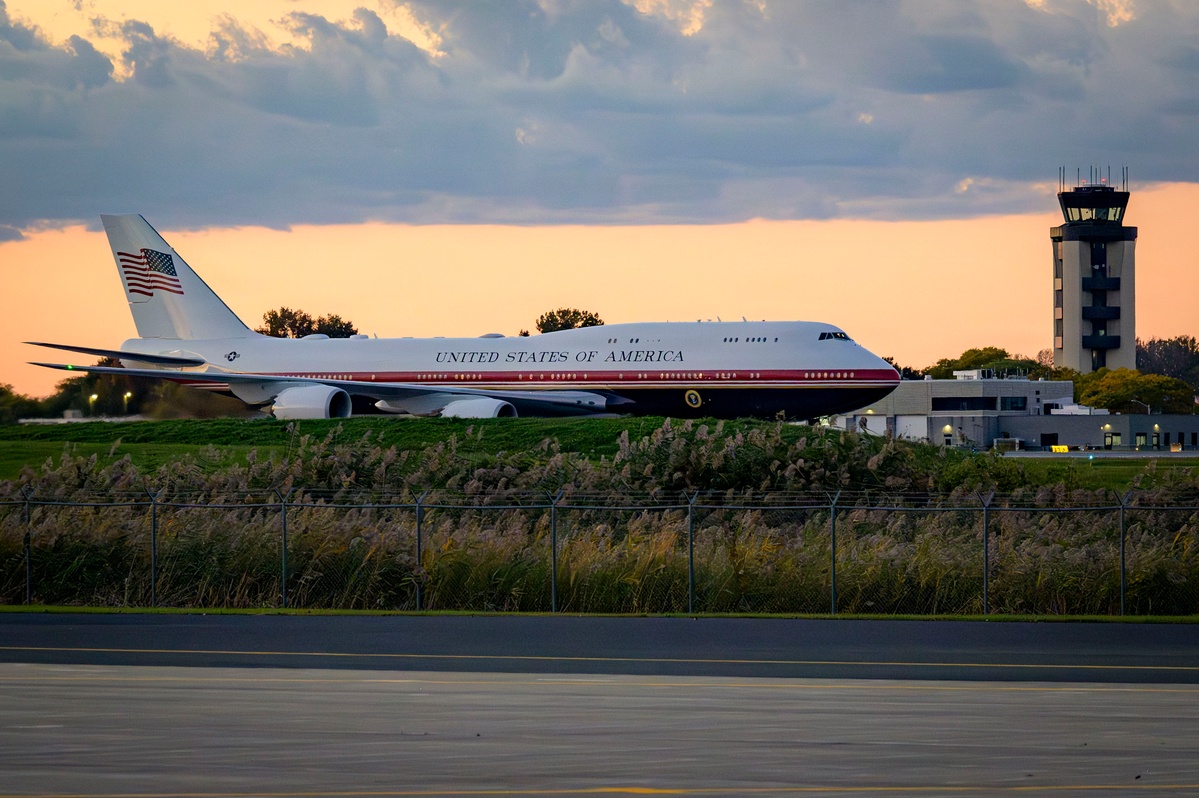
The Air Force’s VC-25B Bridge taxis at Hancock Field Air National Guard Base in Syracuse on Oct. 9, 2026, with the airport’s control tower behind it. U.S. Air National Guard photo by Staff Sgt. Dylan McCrink.
By Watertown Post Staff
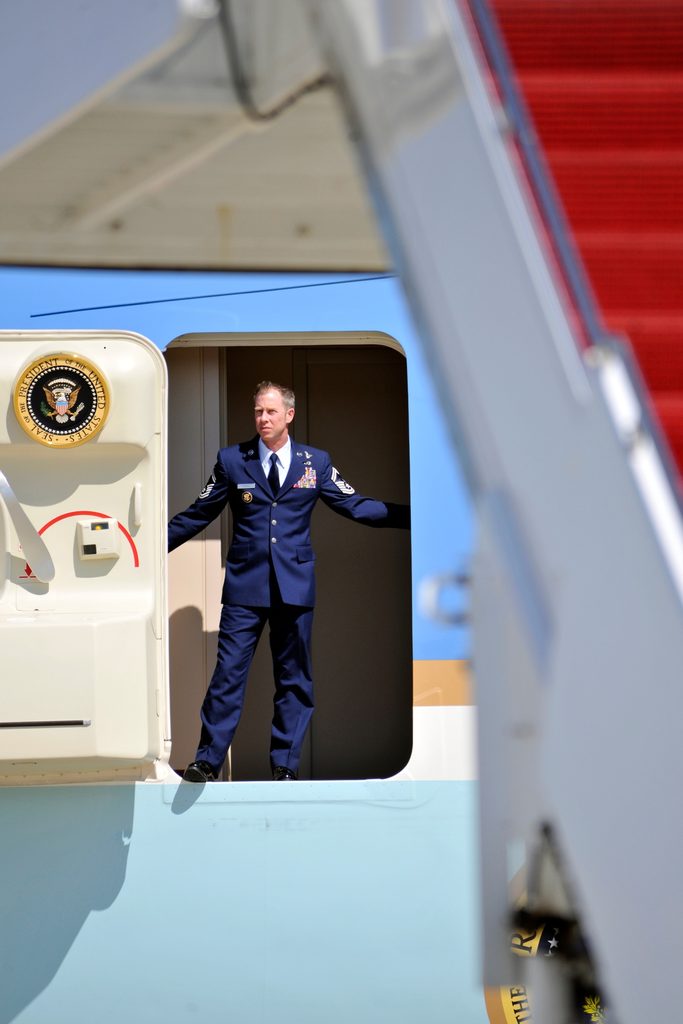
With President Donald Trump headed to Manila for meetings tied to the 49th ASEAN Summit, the cameras will be trained on the familiar blue-and-white plane. Fair enough. It’s a handsome airplane. But spare a thought for the person on the other side of the cabin door who has to know where the emergency equipment is, what’s for dinner, and how to keep both jobs straight when the day runs long.
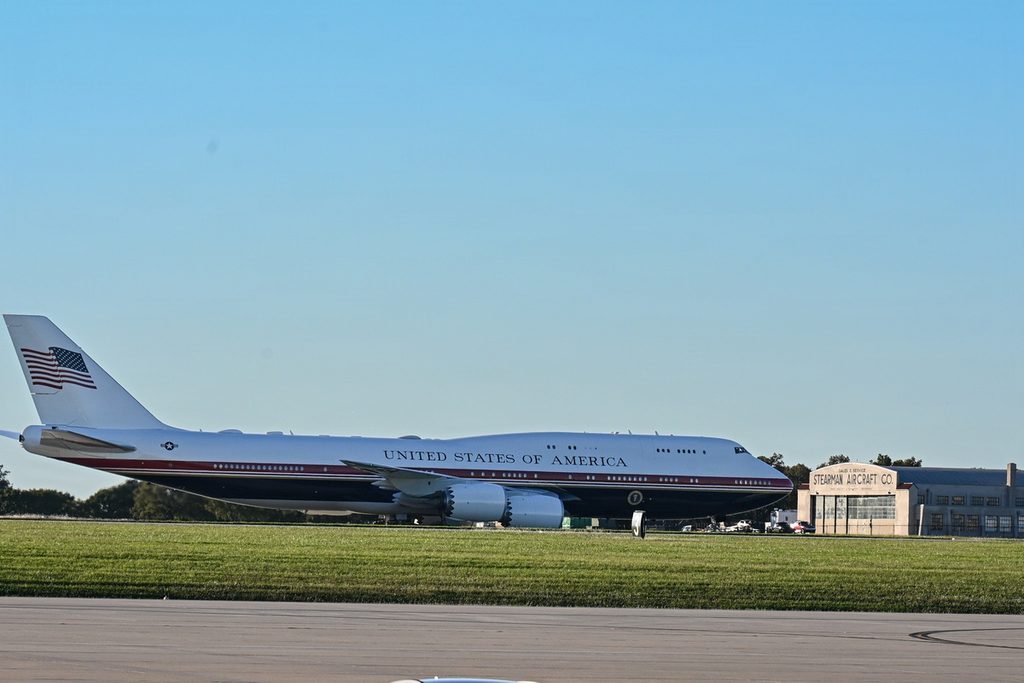
The newer presidential aircraft is a modified Boeing 747-8 the Air Force calls the VC-25B Bridge. It’s an interim aircraft while the permanent replacements are being built. Air Force One is the radio call sign when the president is aboard an Air Force aircraft, not the name of just one plane. The older presidential 747, the VC-25A, had 10 flight-attendant positions listed in a published Air Force crew manual. The Air Force hasn’t listed a comparable cabin-crew count in its public material about the Bridge, so don’t count the seats in a photo and call it a roster.
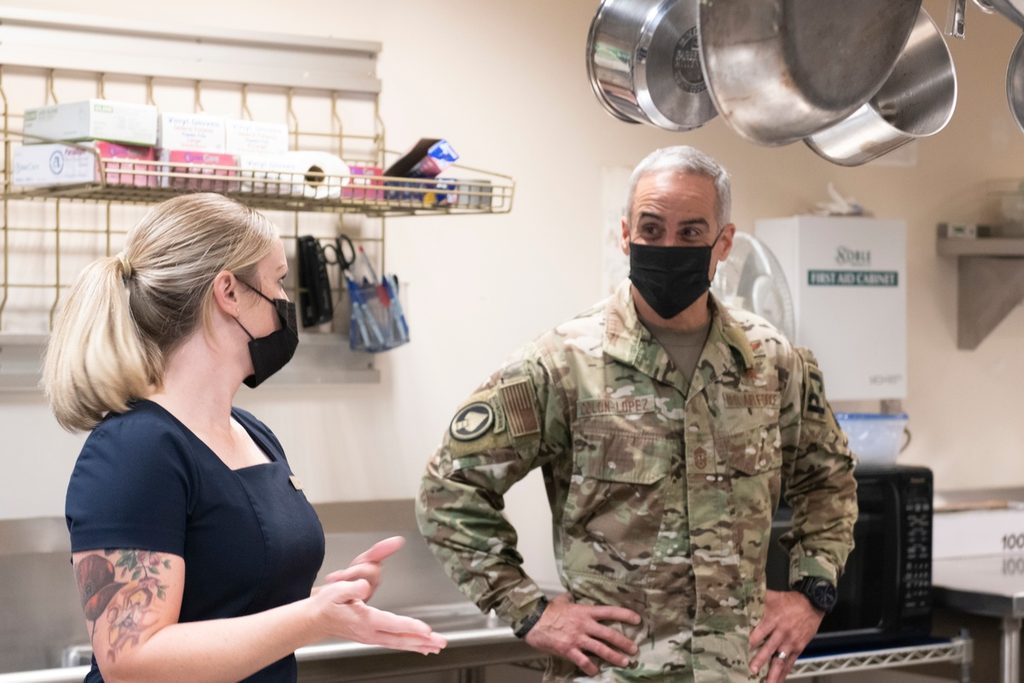
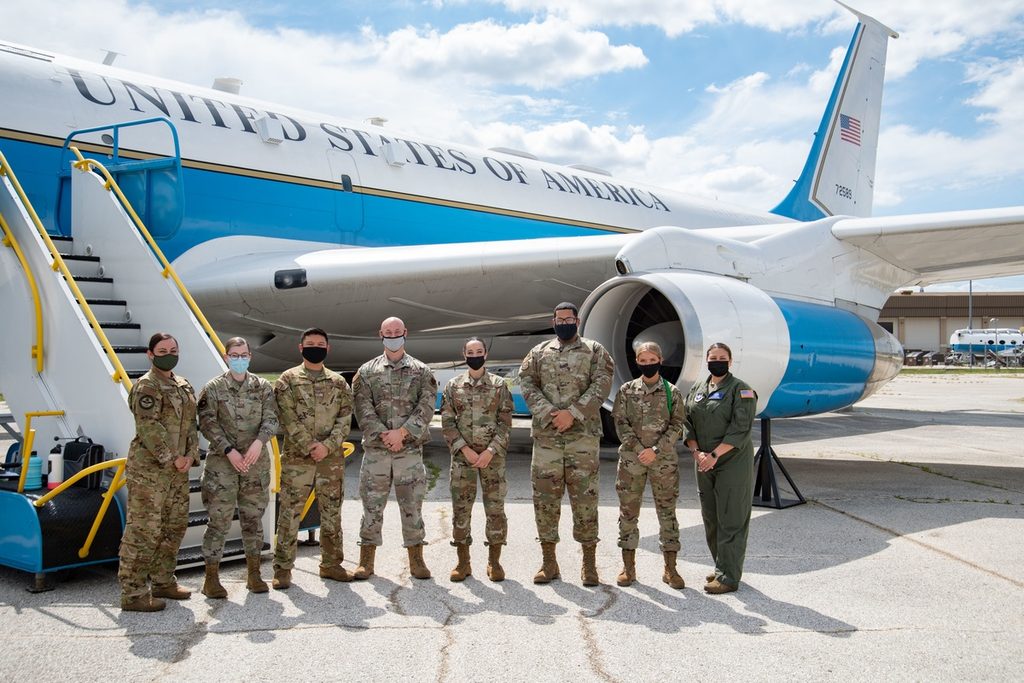
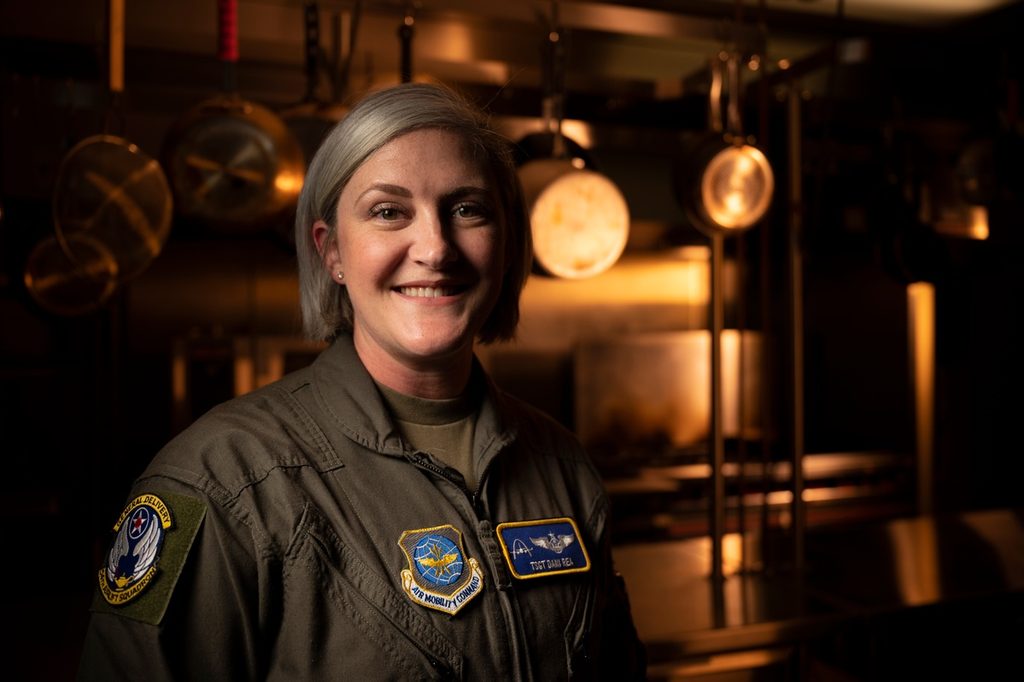
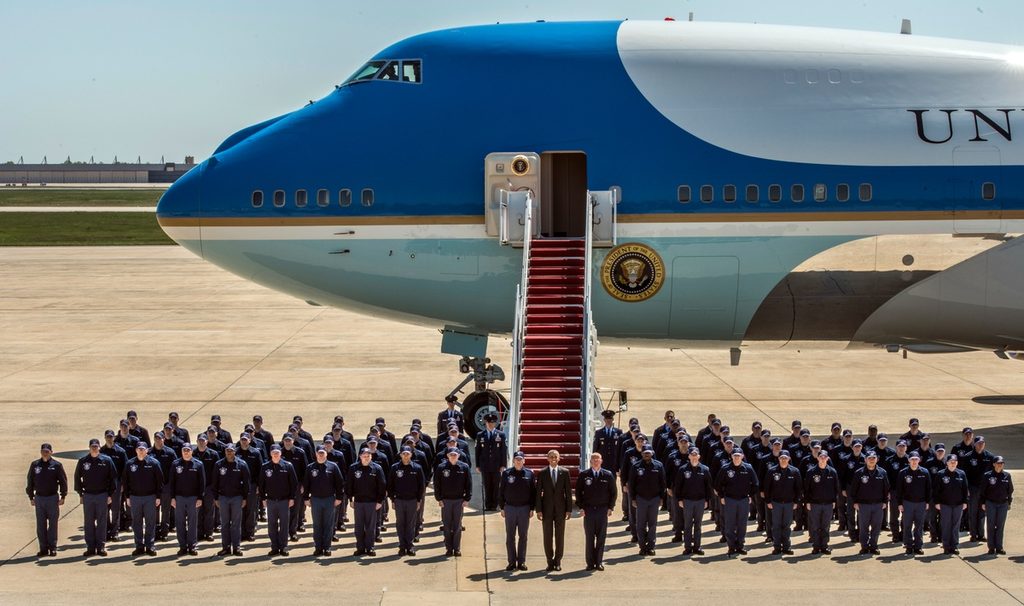
The flight attendants are Air Force aircrew, not civilian airline staff brought in for the trip. The Presidential Airlift Group, part of the 89th Airlift Wing at Joint Base Andrews, operates the presidential aircraft. The wing’s recruiting material describes a selective enlisted assignment: applicants need a strong service record, a flight physical and eligibility for presidential security clearance. In other words, it’s a little more involved than being good at coffee and keeping a straight face when somebody asks for the chicken after choosing the fish.
One of the early trailblazers took a route nobody would mistake for airline recruiting. According to the Air Force, Tech. Sgt. Rebecca “Becky” Schulz started in aircraft maintenance, moved into the paramedical field and was selected for special duty at Andrews in 1982. She went on to become Air Force One’s first female flight attendant. A résumé that starts on the maintenance side and ends in the presidential cabin is a pretty good reminder that there’s more than one way up those stairs.
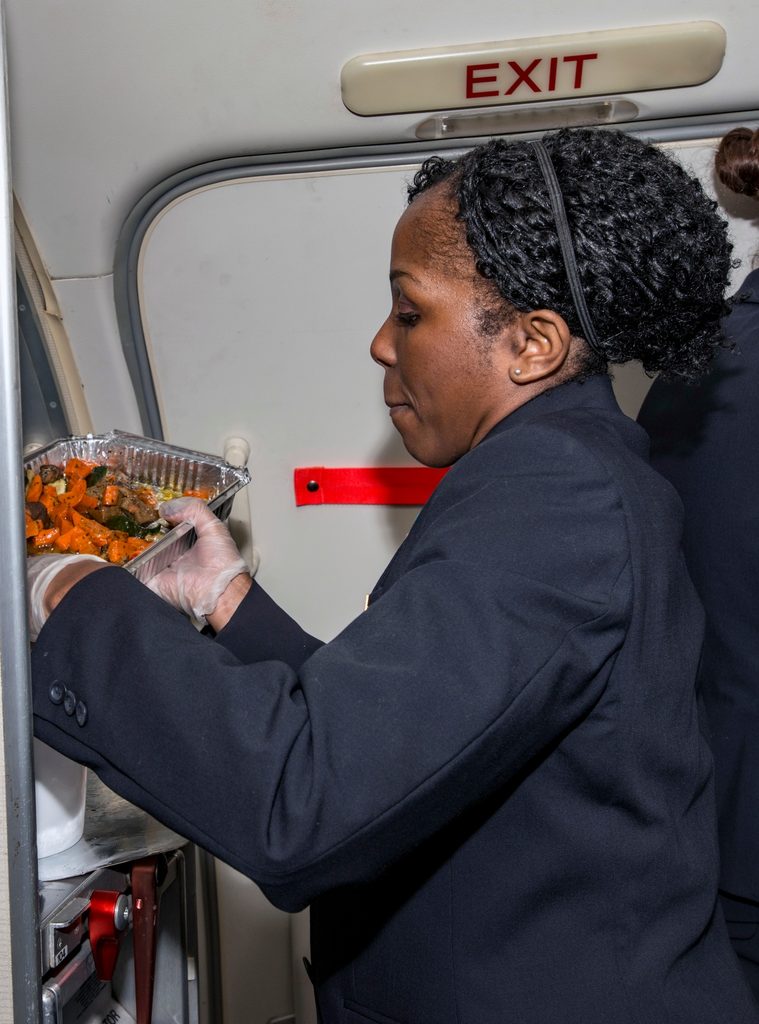
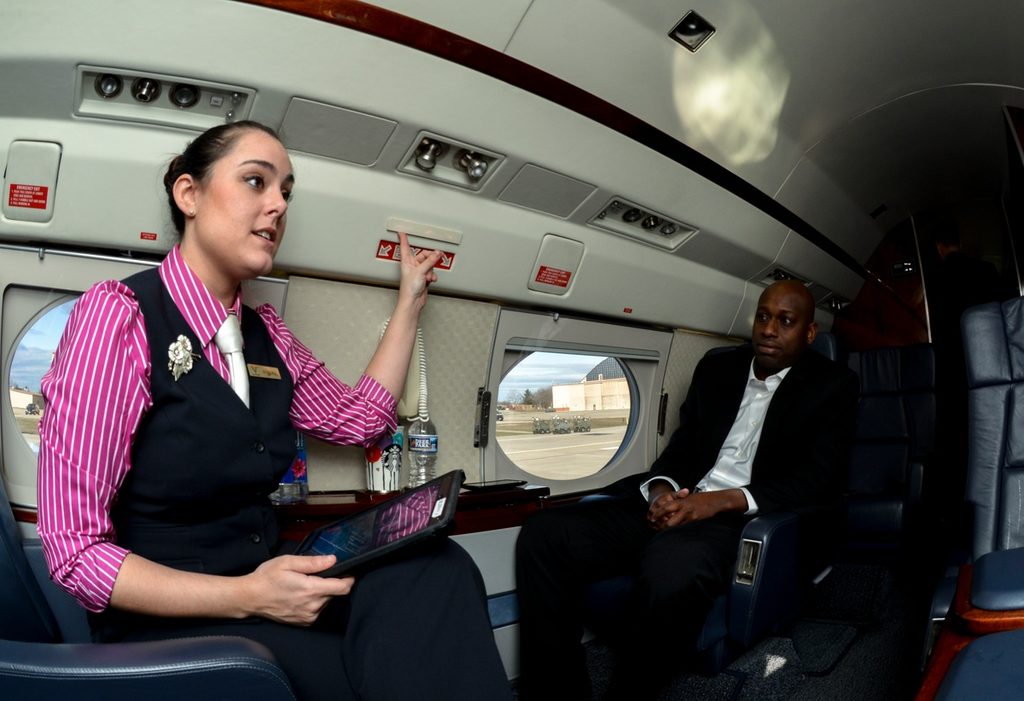
Air Force training covers food preparation and passenger service, but it also teaches aircraft evacuation and emergency procedures. On duty, attendants check cabin, galley and emergency equipment, coordinate meals and look after passengers. Their cabin uniform looks more like an airline crew’s than something you’d see on a parade ground. Air Force dress rules describe a dark civilian-style suit or dress, with a blazer and name badge. Safety comes first, even if what most passengers remember is the meal.
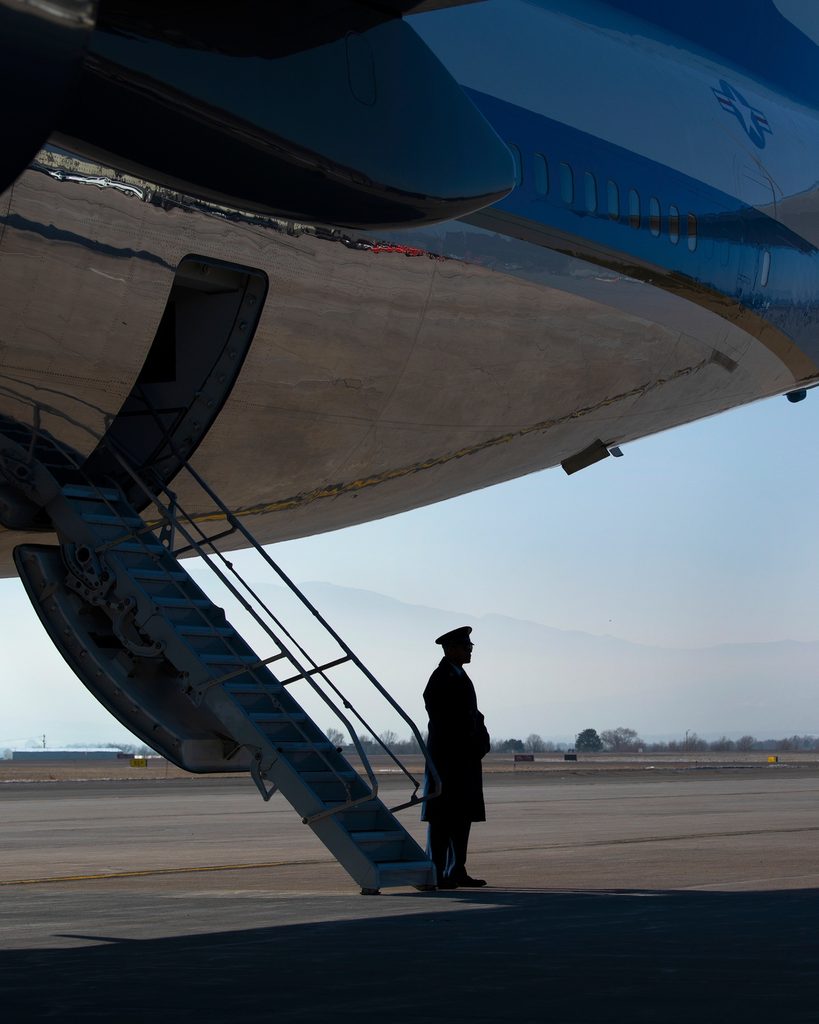
There’s a larger crew behind that cabin door, too. Pilots fly the airplane, communications specialists keep an airborne workplace connected, and maintainers and ground teams get it ready to go. Most will never be in the shot when the president waves from the stairs. That’s part of what makes them worth a look. Next time you see Air Force One on the news, remember that somewhere behind that famous paint job, somebody is doing a preflight check and somebody else is making sure lunch is ready. Both have to go right.
About the Author