By Hans Wilder | The Watertown Post
AKWESASNE, N.Y. — A cocaine trafficking case unfolding along the St. Lawrence River is putting a very local face on something White House border czar Tom Homan has been warning about: now that the Trump administration says the southern border has been brought under control, more attention is coming north.
A 23-year-old dual Canadian-American citizen from Akwesasne pleaded guilty last month to participating in a cross-border cocaine trafficking operation that moved drugs from Florida and California into Northern New York before transporting them across the St. Lawrence River by boat into Canada.
Authorities say Homeland Security Investigations intercepted one package containing more than 23 pounds of cocaine, helping expose the trafficking operation.
According to court records, the defendant earned at least $32,000 through his involvement in cocaine trafficking before his arrest. He is scheduled to be sentenced in December and faces a mandatory minimum of 10 years in federal prison, with a possible maximum sentence of life. He could also face a fine of up to $10 million.
Anthony Patrone, Acting Special Agent in Charge of Homeland Security Investigations, said the guilty plea demonstrates the determination of federal agencies and their law enforcement partners to identify and dismantle criminal organizations exploiting border communities for profit.
For people living along the St. Lawrence River, none of this should be treated as some distant border problem.
This is our border.
And one of the most powerful officials responsible for securing it happens to come from right here.
White House border czar Tom Homan is a West Carthage native who grew up along the Canadian border, graduated from Carthage High School and began his law enforcement career locally before eventually rising through the federal immigration enforcement system.
In a Sept. 26 interview, Homan said the northern border will become a major focus of the administration during the next two years.
“The next two years, I’m really concentrating on the northern border,” Homan said, adding that the southern border is now at what he described as its highest level of security. He said additional resources should now be directed north, including manpower, technology and infrastructure.
Homan was even more specific when discussing our part of the country.
He said he grew up on the northern border, knows the New York border particularly well and has personally visited northern border sectors around the country. He said different regions require different solutions, ranging from more agents to surveillance towers, drones, air assets and physical barriers in areas difficult to patrol.
That matters in Northern New York because our border does not look anything like the desert boundary Americans normally see on television.
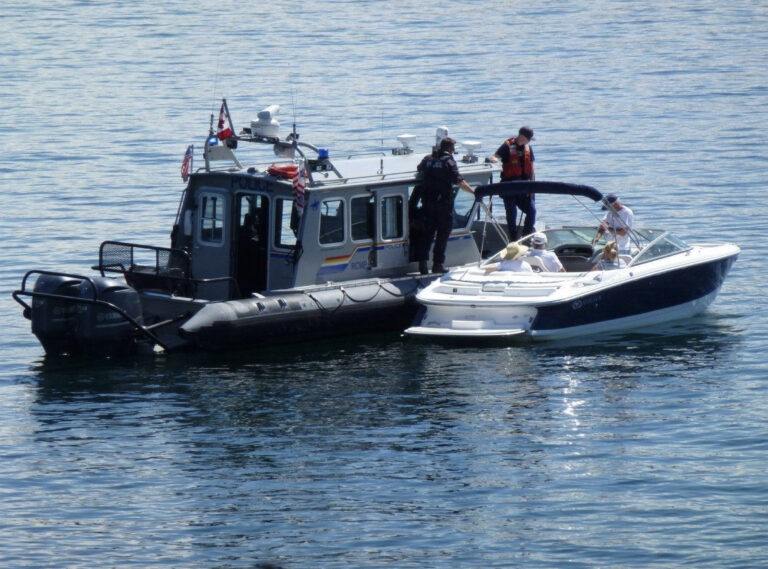
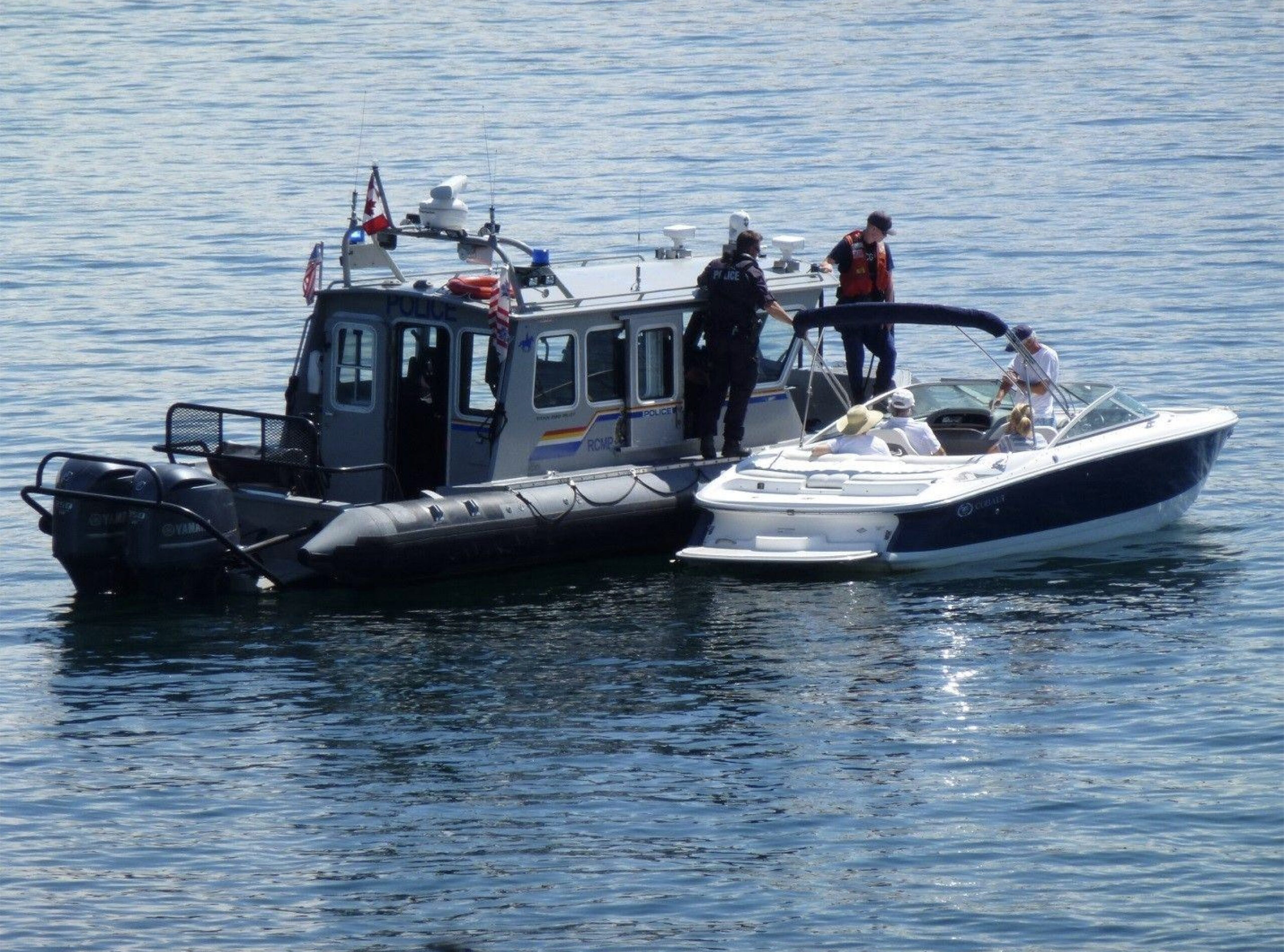
Here, the border runs through rivers, islands, bays, woods, farmland and remote stretches of countryside. On the St. Lawrence, the international boundary can literally run through open water.
That geography has always made the region unique. It also makes enforcement complicated.
This cocaine case demonstrates exactly why the northern border deserves serious attention. According to prosecutors, cocaine traveled thousands of miles from Florida and California into Northern New York before being moved across the international boundary by boat.
No wall in Arizona stops that.
Northern border security requires Northern border solutions.
Homan has been talking about those solutions since before returning to the White House. In a 2024 interview in Watertown, he said the North Country would remain part of his thinking and specifically discussed the St. Lawrence River and the need for additional Border Patrol personnel in the region.
Now the issue is moving from discussion to policy.
Homan said increased technology could be especially important because of the enormous distances involved along the Canadian boundary. He also emphasized cooperation with Canadian authorities, noting that cross-border crime travels in both directions.
That is an important distinction.
Securing the northern border is not about treating Canada as the enemy. It is about recognizing that criminal organizations will exploit any border where geography, manpower or technology leaves them an opening.
In this case, authorities say that opening was the St. Lawrence River.
For Northern New Yorkers, the national conversation about border security is therefore no longer something happening 2,000 miles away in Texas or Arizona.
It is happening in our backyard.
From Akwesasne to Massena, Ogdensburg, Alexandria Bay, Clayton and Cape Vincent, the United States-Canada boundary runs directly through the communities we call home.
And with a North Country native now directing national border policy, Washington appears ready to give that border considerably more attention.
Tom Homan knows this country.
More importantly for us, he knows this border.
About the Author