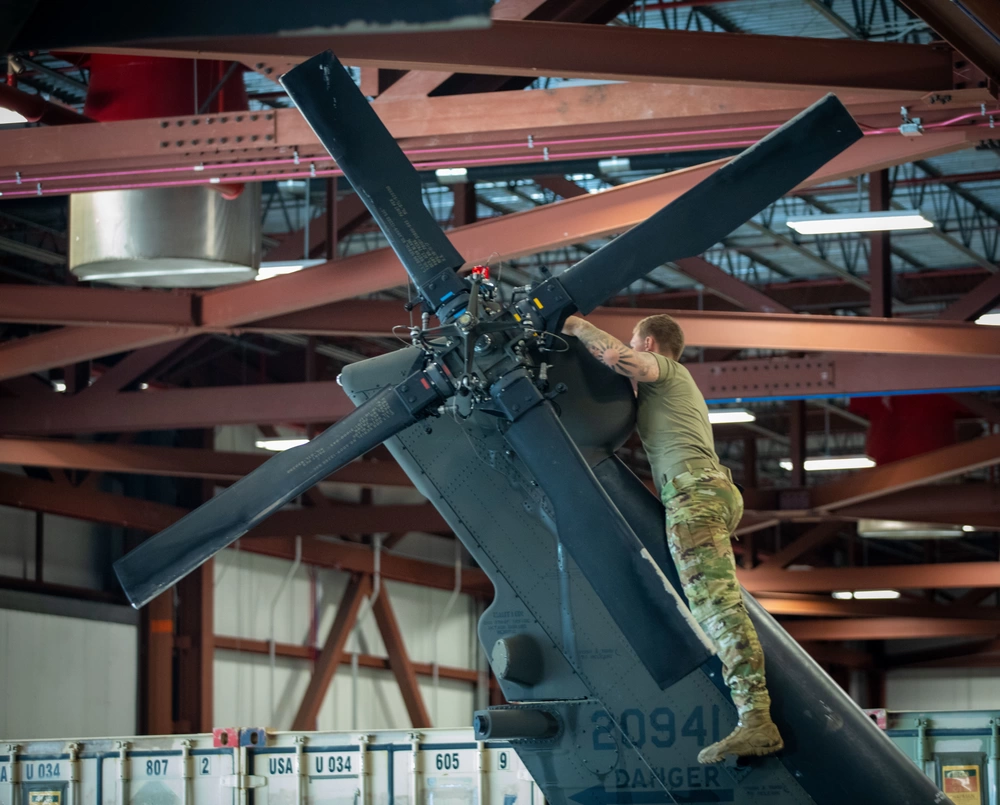
Pfc. Nathan Dorset inspects the tail rotor of a medevac Black Hawk at Fort Drum, Aug. 16, 2022. U.S. Army photo by Spc. Anastasia Rakowsky.
By Watertown Post Staff
Pfc. Nathan Dorset inspects the tail rotor of a medevac Black Hawk at Fort Drum, Aug. 16, 2022. U.S. Army photo by Spc. Anastasia Rakowsky.
FORT DRUM, N.Y. When a helicopter crosses the North Country, the rotors get all the attention. The people who helped get it off the ground are usually back in the hangar. In an Army photo from August 2022, Pfc. Nathan Dorset is up on the tail of a medevac Black Hawk at Fort Drum, looking for signs of corrosion. It’s routine work. That’s precisely why it matters.
Dorset is one of the soldiers photographed doing a job most neighbors only get to hear the results of. Black Hawk repairers inspect and maintain aircraft. Some also fly with them. At Fort Drum’s Mountain Fest in June 2025, Sgt. Autumn Timbrel, a Black Hawk repairer and crew member, showed families around a UH-60. It was a rare chance for the people who hear those helicopters overhead to ask someone who works on one what goes into keeping it in the air.
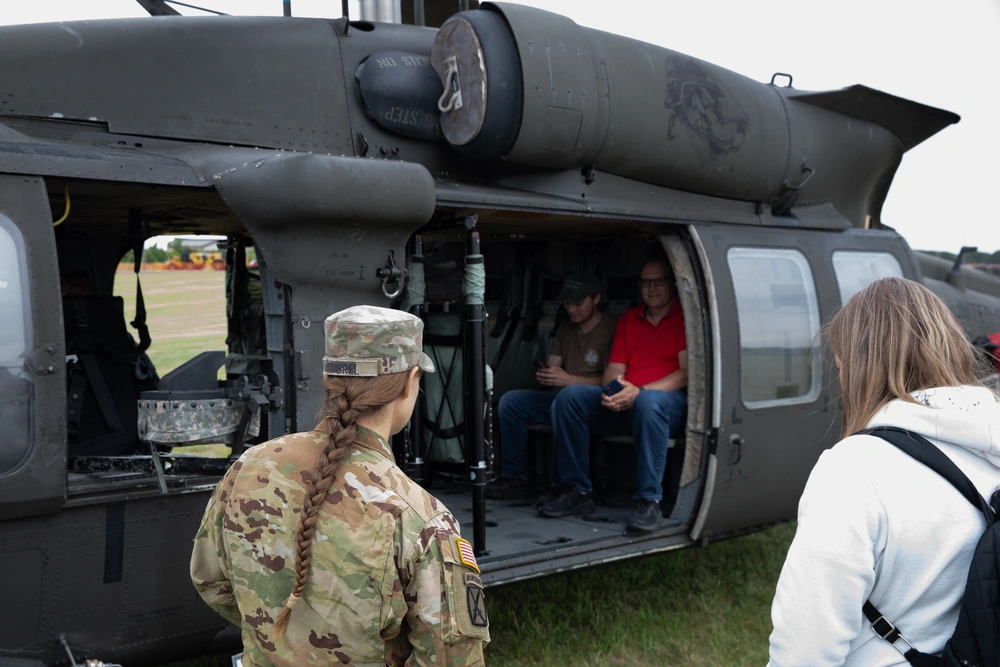
The 10th Combat Aviation Brigade moved to Fort Drum in 1990. Its units include the 277th Aviation Support Battalion. In August 2025, soldiers from the battalion practiced recovering a simulated downed Black Hawk at Fort Drum. A recovery exercise is a different job from a routine inspection, but both take people who know the aircraft as well on the ground as a crew does in the air.
The soldiers aren’t the only people behind those flights. Local civilian contractors have also supported the 10th Combat Aviation Brigade at Fort Drum. The Army has documented contract support for aircraft maintenance and the work of keeping helicopter parts available. Their work deserves a share of the credit, too.
Some repairs bring in specialists from outside the post. In 2020, the Army reported that electronics technicians Brett Bellas and Jason Kilmer came from Tobyhanna Army Depot to work on transponders aboard several brigade helicopters. A transponder answers signals sent to the aircraft. The technicians also taught aviation personnel at Fort Drum how to inspect and install batteries to help prevent similar problems.
Then there’s the work that doesn’t happen on the helicopter at all. At Wheeler-Sack Army Airfield, staff help with weather briefings, check lighting and pavement, and watch for wildlife near the airfield. If the maintainers’ job is to get the aircraft ready, the airfield crew’s job is to make sure it has a place to take off and come home.
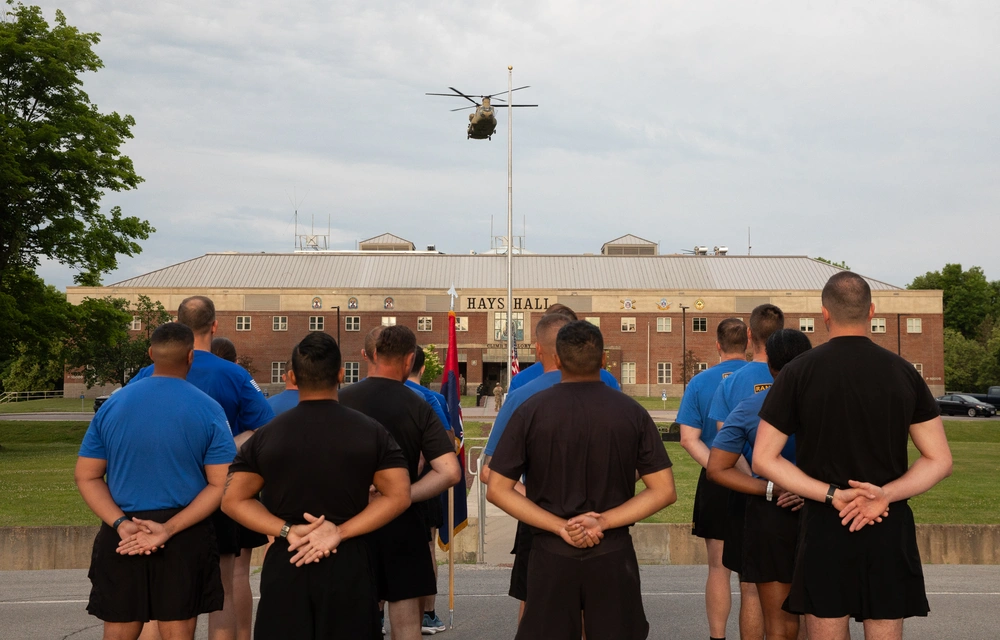
The next time rotors interrupt a conversation, look up. Then spare a thought for the person who was already at work long before you heard them.
The appearance of U.S. Department of War (DoW) visual information does not imply or constitute DoW endorsement.
Sources: 10th Combat Aviation Brigade; 277th recovery exercise; Tobyhanna Army Depot reporting; Fort Drum Aviation Division. Original Army photographs: tail rotor inspection; Black Hawk tour; Chinook flyover.
About the Author