Opinion by Hans Wilder
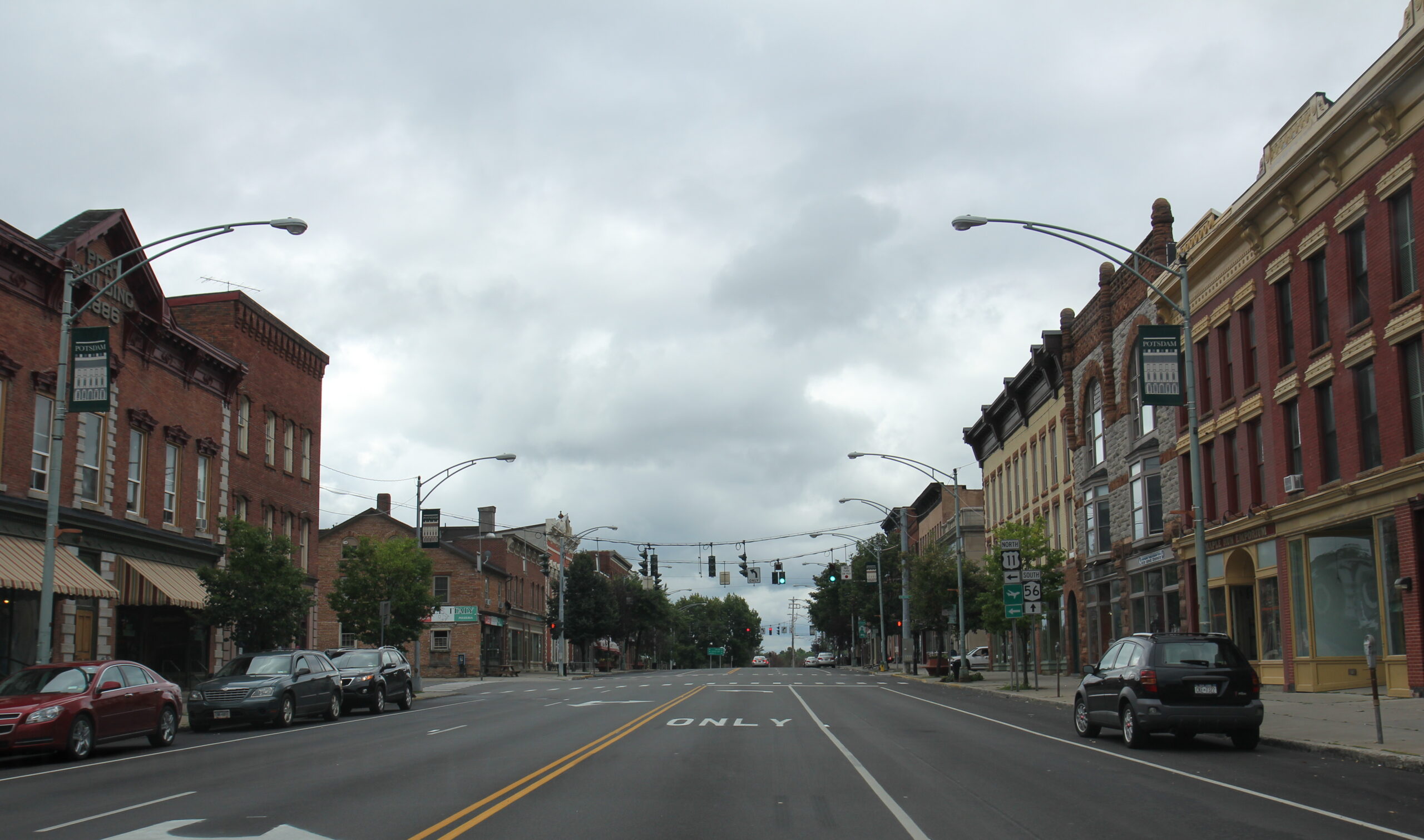
Downtown Potsdam on existing U.S. Route 11 and NY 56, August 2014. Photo: Royalbroil / Wikimedia Commons, CC BY-SA 4.0.
Northern New York has two interstates that will take you to Canada and none that will take you straight across the top of New York. Study the map long enough and you might conclude Albany meant to connect us to everybody except each other. The Rooftop Highway was supposed to fix that. It would run from I‑81 near Watertown to I‑87, the Adirondack Northway, at Champlain north of Plattsburgh. The road would travel through the St. Lawrence Valley and across the North Country, north of the Adirondack Mountains. If studies were pavement, we’d be halfway to Vermont by now.
New York’s 2014 State of the State book traced proposals back to the 1950s. It put the 172-mile interstate concept at $6 billion and a package of U.S. Route 11 improvements at $320 million. Those were estimates then, not bids today. The state’s 2008 study considered both a four-lane expressway and improvements to the road we already have. A later study narrowed its focus to the Canton–Potsdam area. The full highway never got built. A narrower study was no substitute for it, and calling it I‑98 doesn’t put a shield on the road.
What the road could do
A direct connection would give freight moving between the Midwest and New England another east–west option. It would tie two existing border gateways together on the American side: I‑81 reaches Ontario’s Highway 401 through the Thousand Islands crossing, while I‑87 meets Quebec’s Autoroute 15 at Champlain. To our north is the heavily populated Toronto–Montreal corridor. A better road could help North Country producers reach more customers there and in the United States without turning a trip from Watertown to Champlain into an international excursion.
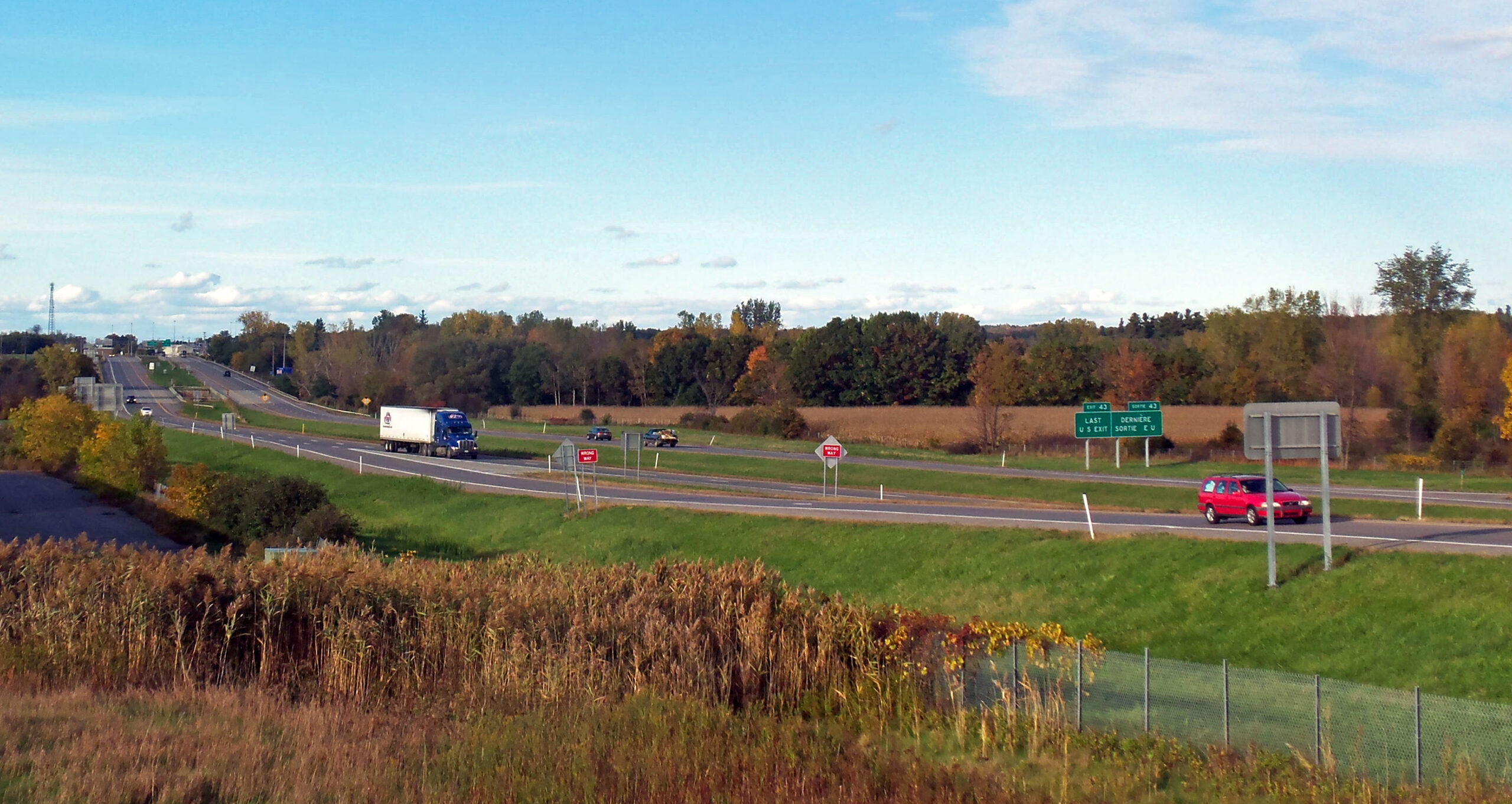
The everyday case matters just as much. A more reliable trip could mean a wider job search, a shorter drive to a medical specialist, or a family more willing to make a weekend of the river, the Adirondack foothills or a downtown they rarely visit. Manufacturers, farms and distributors could have more dependable access to suppliers and buyers. A good study should put minutes, miles and dollars against those possibilities instead of assuming every new interchange will turn into the next economic miracle.
Jobs before and after the ribbon-cutting
During construction, the work could include surveyors, engineers, equipment operators, laborers, truck drivers, bridge and concrete crews, electricians and inspectors. Local quarries, suppliers, equipment shops and service businesses could pick up orders. Those are real opportunities, but construction jobs last as long as the work does. After opening, the road would need plowing, paving, bridge inspections and repairs. The longer-term opportunity is what employers might build around it: warehouses, manufacturing, freight services, restaurants, lodging and recreation businesses. A bypass could also pull customers away from a village main street. Count the jobs and business that could move as well as the jobs and business that could be added.
Who has to get it moving
New York State should start. The governor should name NYSDOT as the lead, commit money for a new corridor study and put a timetable in public. Compare a full expressway, phased construction, targeted bypasses, passing lanes and safer intersections. Show us current traffic, crash data, the cost of land, and what the state would spend to maintain the road for decades. A highway up here comes with a snowplow bill. Let’s see it before we agree to buy the highway.
Local governments should bring evidence. Jefferson, St. Lawrence, Franklin and Clinton counties, along with the towns and villages on the corridor, know where trucks get hung up and where a change could help or hurt. Bring in landowners, farm operators, hospitals, employers, emergency crews and affected Tribal nations early. Ask which local connections need to stay open, which farmland and wetlands could be affected, and what happens to traffic and trade in each town.
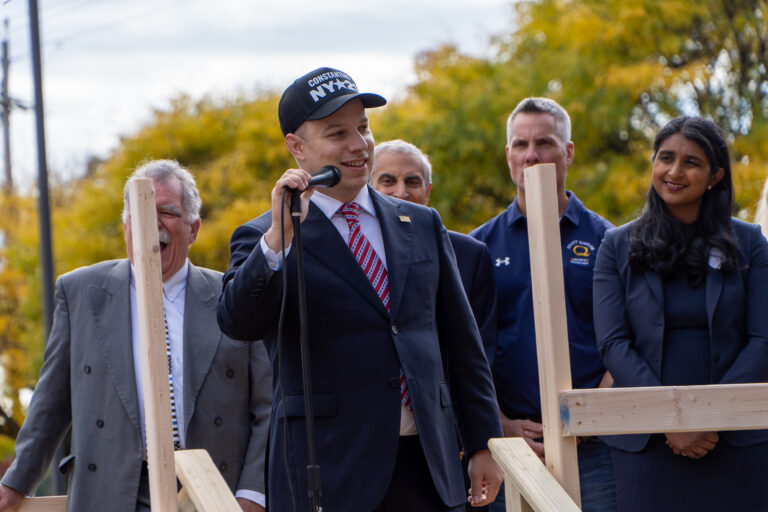
Washington has a role, too. I’m asking Congresswoman Claudia Tenney and Congressman-elect Anthony Constantino to make this a priority. Ask Albany together, in writing, to name a lead and set a deadline, then help pursue federal planning money and bring the Federal Highway Administration to the table. Any build option that moves forward would need the applicable environmental review and permits. Interstate designation would require a separate federal process, and it would not come with a blank check.
If the Golden Age is going to mean something on this side of the Adirondacks, let it mean we’re willing to take another look at a road that could change how this region works. Start with a public meeting, a named state lead and a deadline for the numbers. Build it in stages if the evidence supports it. Either way, after decades in the attic, the Rooftop Highway deserves daylight.
About the Author