Canada’s NATO Rhetoric Underscores a Larger Reality: North America Is Moving Toward Unification
By Hans Wilder
WATERTOWN, N.Y. — Recent comments from Canadian leadership regarding military spending and references to NATO’s Article V have drawn attention across the U.S.-Canada border, but in Northern New York the discussion is taking on a different tone—less about confrontation and more about consolidation.
Prime Minister Mark Carney has signaled a push to increase Canada’s military readiness while invoking language tied to NATO’s collective defense clause in the context of Arctic tensions and Greenland. While no formal action has been proposed, the rhetoric has prompted debate about Canada’s role in continental security and its relationship with the United States.
Defense analysts note that Article V is intended to respond to external threats and has no precedent for use in disputes between allied nations. As a result, attention has shifted away from the literal interpretation of the remarks and toward what they reveal about the evolving structure of North American defense and economic alignment.
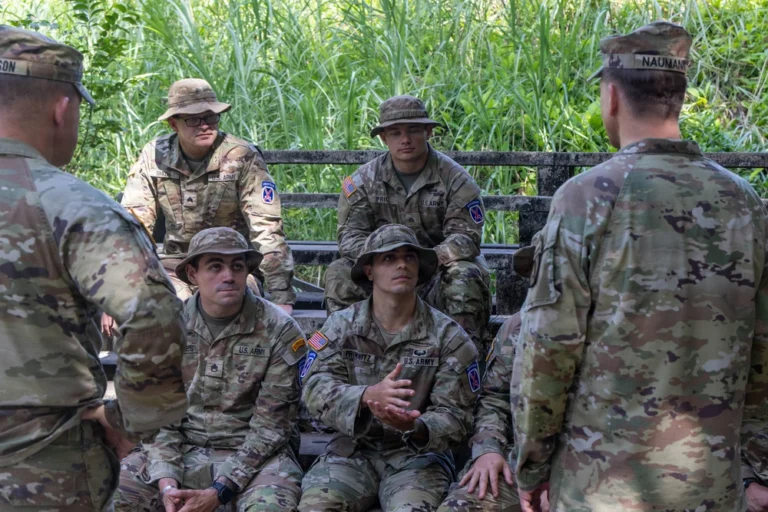
In communities like Watertown, the issue is not abstract. Fort Drum sits approximately 20 miles from the Canadian border, with the city itself roughly 25 miles south. The region is closely tied to cross-border trade, shared infrastructure, and long-standing military cooperation, particularly through NORAD, which integrates air defense between the two nations.
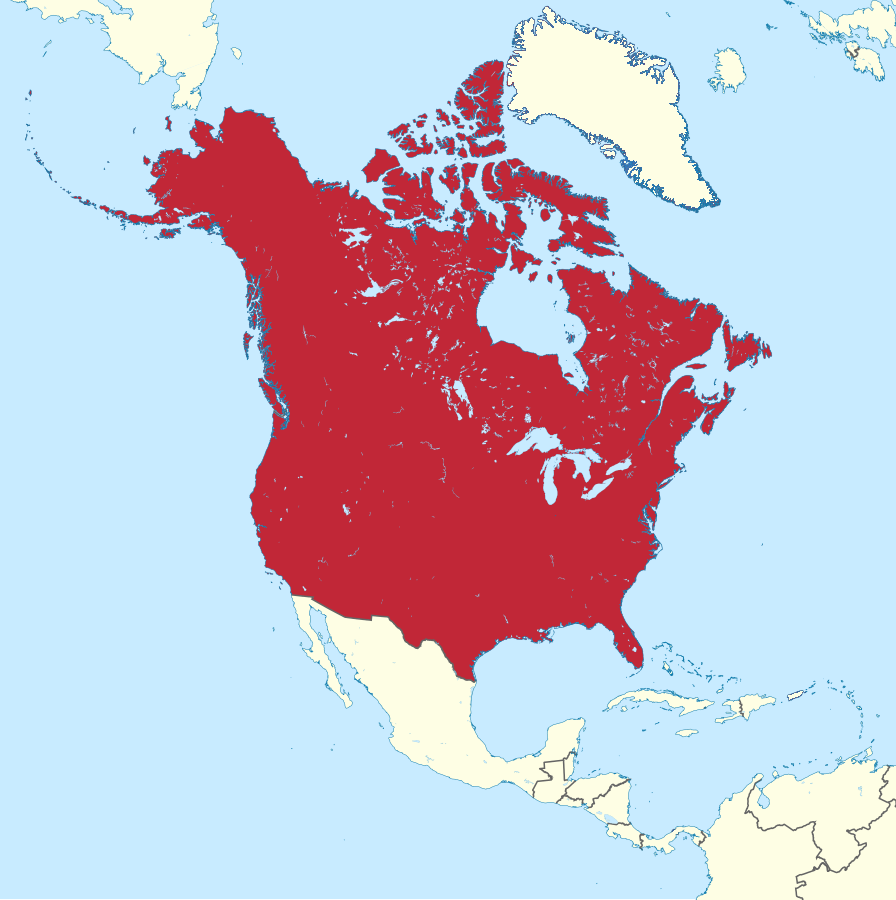
Those existing systems have led some policymakers and observers to revisit a question that has surfaced periodically over decades: whether the United States and Canada are already operating as a single continental framework in practice, even as they remain politically separate.
Economic data supports that view. Supply chains between the two countries are deeply interwoven, energy flows across the border in both directions, and daily commerce moves with relatively few barriers compared to other international relationships. Defense coordination has also expanded over time, with joint planning and shared strategic priorities in areas such as Arctic security.
The renewed focus on Greenland highlights that shift. The United States has maintained a strategic presence there for decades, viewing it as critical to early warning systems and northern defense. As Arctic routes become more accessible and global competition intensifies, the region is increasingly seen as a continental concern rather than a purely national one.
Public reaction to Canada’s recent messaging has been mixed, including within Canada itself. Some observers have questioned whether the tone of the rhetoric aligns with the country’s current military capabilities and long-term strategic interests, while others see it as part of a broader repositioning in response to global pressures.
At the same time, the discussion has expanded beyond immediate policy disputes. Analysts note that North America already functions as a highly integrated system in defense, trade, and infrastructure. The idea of formalizing that integration—through deeper economic alignment or expanded defense coordination—has gained renewed attention as global alliances shift.
In Northern New York, where the border is part of daily life, the concept is less theoretical. The proximity of major military installations, shared waterways, and interconnected economies reinforces the sense that the United States and Canada are not operating in isolation but as components of a broader continental structure.
While there is no indication of imminent political unification, the underlying trend is clear. Cooperation between the two nations continues to deepen, driven by geography, economics, and shared strategic interests. Canada’s recent rhetoric, rather than signaling division, has underscored how closely linked the two countries already are.
As global competition increasingly focuses on large, integrated regions, the question facing North America may not be whether cooperation will continue, but how far that integration will ultimately go.
About the Author