
What Does Watertown’s City Manager Actually Do?
By Watertown Post Staff
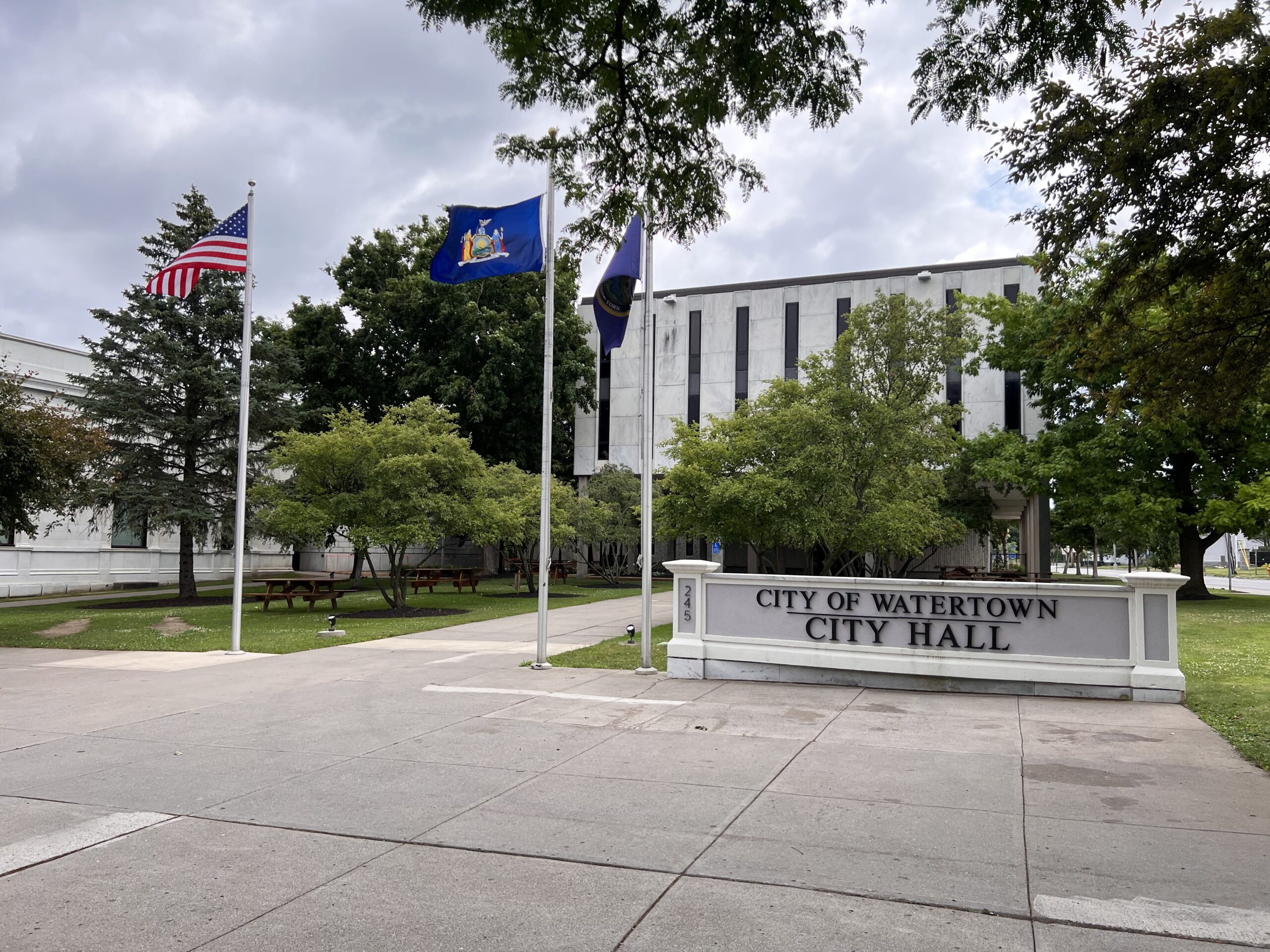
A closely watched debate over flag displays at Watertown City Hall reached a new turning point this week, as the Watertown City Council voted 3–2 to deny a request to raise an outside flag on municipal property.
The vote marks the latest development in a multi-year controversy that began in 2019, when the city first allowed a Pride flag to be raised at City Hall following a community request. At the time, the decision sparked both support and opposition among residents.
One local activist, who has been vocal in opposition to the city raising non-governmental flags, said the issue prompted him to become more involved in municipal politics. In 2020, after the Pride flag was raised again, he removed it himself and later faced legal charges related to the incident. The case drew regional media attention and public debate over free speech, public property, and the city’s policies. In June 2021, a jury found him not guilty.
The controversy did not end there. Over the next several years, residents continued to address the council with grievances and public comments regarding whether City Hall should display commemorative or advocacy flags at all.
In 2024, the mayor announced the city would no longer accept new flag requests going forward, though a previously approved Pride flag raising was still allowed that year. Later, the council voted to shift decision-making authority over flag displays from the mayor to the full council, requiring a majority vote for any future requests.
This week’s 3–2 vote signals that, under the current council majority, outside flag requests are unlikely to move forward. As a result, the Pride flag is not expected to be raised at City Hall in June 2026 unless policy changes again.
Supporters of the decision argue that City Hall should display only official government flags to avoid political or cultural disputes. Opponents contend that commemorative flag raisings are a longstanding way for municipalities to recognize diverse communities and causes.
With the latest vote, the long-running debate appears, at least for now, to be settled by the current council’s direction. Whether the issue resurfaces in future elections or policy discussions remains to be seen.
About the Author