Watertown Post Op-Ed: The Band-Aid Is Being Ripped Off — And Yes, That Hurts
– West Palm Beach By Hans Wilder
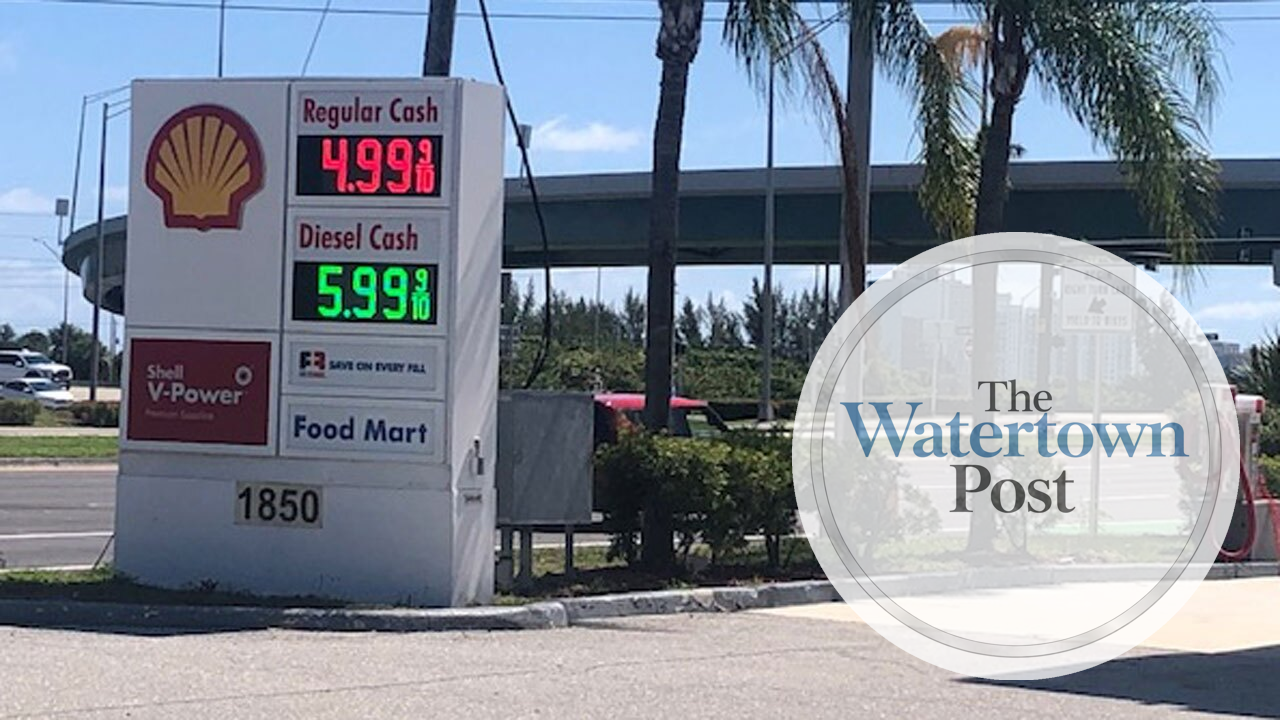
Spend five minutes scrolling through social media right now and you’ll see the same talking point repeated again and again: gas prices are ticking up, and suddenly the loudest voices on the left have rediscovered the gas pump.
The message is predictable: “See? We told you so.”
But many Americans are noticing something else at the same time — those same voices were remarkably quiet just a few years ago.
During the Biden administration, Americans watched prices climb across the board. Groceries rose. Housing costs surged. Energy prices spiked. When gasoline jumped dramatically, the public was told that presidents didn’t control gas prices. The explanation was that oil markets were global, complicated, and influenced by forces beyond Washington’s control.
Now, almost overnight, a few cents at the pump is supposedly proof of presidential guilt.
Voters notice that kind of inconsistency.
What is happening today is also very different from the circumstances Americans experienced just a few years ago. The recent movement in oil prices is tied to rising global tension surrounding Iran — a conflict that has been simmering for nearly half a century.
Since the Iranian Revolution in 1979, the United States and Iran have been locked in a long and uneasy standoff. Sanctions, proxy conflicts, terrorist threats, diplomatic brinkmanship, and military posturing have stretched across multiple administrations and both political parties. For decades, Washington attempted to manage the situation rather than resolve it.
In many ways, policy simply placed Band-Aids over a deeper wound.
Now that Band-Aid is finally being ripped off.
And yes — when a Band-Aid comes off, it stings.
Energy markets respond immediately to geopolitical instability. Oil prices move when shipping lanes are threatened, when conflicts escalate, or when investors anticipate disruption. The Strait of Hormuz — one of the world’s most critical oil transit points — sits right in the middle of the current tension. When uncertainty rises there, markets react quickly, and that reaction eventually reaches American drivers.
But many Americans — particularly those who supported President Donald Trump — understand that short-term turbulence can accompany long-term change.
They remember the recent past. They remember being told not to complain about energy prices during the Biden years. They remember being told inflation was temporary, supply chains were the problem, and that questioning economic policy was somehow irresponsible.
Now the same voices suddenly want to place every fluctuation in fuel prices directly on the shoulders of the current administration.
That argument is not convincing to many voters.
Trump supporters, in particular, tend to view the moment differently. They see the United States in the middle of a major strategic shift — one aimed at restoring American strength economically and geopolitically.
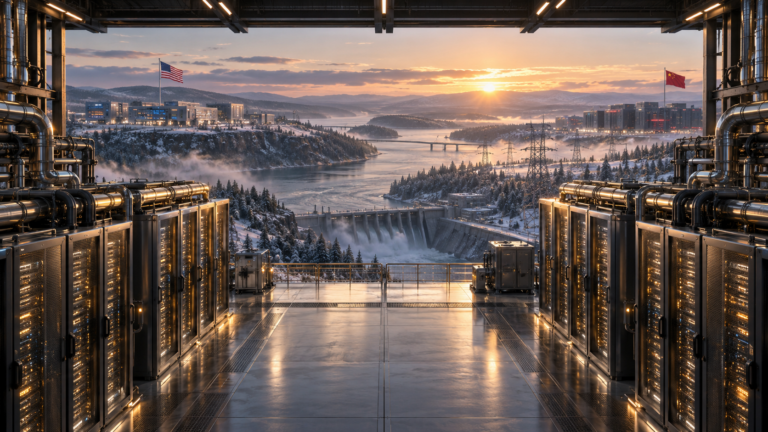
Manufacturing is moving back to the United States. Supply chains that once stretched halfway around the world are being reconsidered. Energy independence is once again a national priority. And a decades-long confrontation with a destabilizing regime is finally being confronted rather than managed.
Those kinds of changes rarely happen quietly.
Markets move. Policies shift. Old geopolitical arrangements begin to crack before new ones take shape. In the short term, that can produce discomfort — including fluctuations in energy prices.
But many Americans believe the country is entering what Trump supporters often describe as a new American Golden Age — a period defined by stronger domestic industry, greater national security, and a willingness to address problems that previous administrations simply pushed down the road.
History shows that large national realignments rarely feel smooth while they are happening. The process can look messy in the moment.
Gas prices may rise and fall as markets respond to global events. Political arguments will certainly continue.
But many voters are looking at the bigger picture.
They understand that global energy markets are shaped by war, shipping routes, speculation, and decades of strategic decisions. They also understand something simple: solving long-standing international conflicts and rebuilding domestic strength does not happen overnight.
Sometimes it comes with friction.
Sometimes it comes with discomfort.
Sometimes the Band-Aid has to come off.
And yes — that hurts.
But for many Americans, the sting is simply part of the healing.
About the Author