
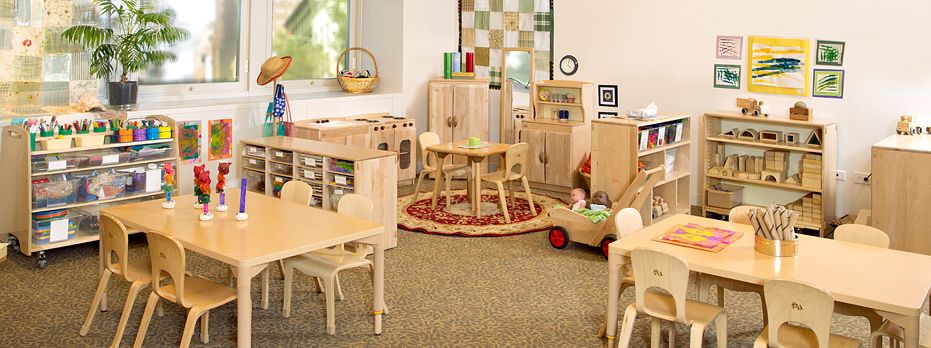
A new 125-child facility backed by state funding is coming to Ogdensburg, but local home daycare providers are questioning how it will impact small, independent care across the North Country.
OGDENSBURG, N.Y. — A long-planned childcare center in Ogdensburg is officially moving forward after securing its final piece of funding, including $1.8 million from New York State announced during a recent visit by Governor Kathy Hochul.
The project, led by the Ogdensburg Bridge and Port Authority, will bring a 15,000-square-foot facility to Commerce Park, operated by The Arc Jefferson–St. Lawrence and designed to serve up to 125 children.
Local officials are calling it a major step forward for working families in the North Country. And to be fair, childcare access has been a real problem in this region for years. Open spots are hard to find, waitlists are common, and for many parents, especially those working nontraditional hours, options are limited.
But outside the press conference glow, there’s another side to this story—one that isn’t being talked about nearly as much.
Across Jefferson and St. Lawrence counties, a large portion of childcare doesn’t happen in big facilities. It happens in homes. Small, licensed daycare providers—often caring for just a handful of children—have quietly carried much of the load for years. No ribbon cuttings. No multimillion-dollar backing. Just steady, daily care.
Now, a state-supported center with room for 125 children is entering that same ecosystem.
The question isn’t whether more childcare is needed. It is. The question is whether this kind of project strengthens the entire system—or starts to shift it in a way that leaves smaller providers behind.
On paper, a large facility has advantages. It can centralize staffing, streamline administration, and more easily work within state subsidy programs. For families receiving assistance, that matters. For parents needing immediate placement, that matters too.
But childcare isn’t just about capacity. It’s about fit.
Home daycares offer something that large centers, by design, struggle to replicate: consistency, flexibility, and a more personal environment. The same caregiver every day. Smaller groups. A setting that feels closer to home than an institution.
For infants and younger children especially, that matters more than any brochure language about curriculum or square footage.
There’s also a practical reality that often gets overlooked: even with a new 125-child facility, the region is still unlikely to meet total demand. Fort Drum alone creates a steady need for childcare, and workforce shortages haven’t gone away. In that sense, this new center may end up filling gaps rather than taking children away from existing providers.
Still, concerns about fairness are not unfounded. When public dollars heavily support one model of care, it inevitably raises questions for those operating outside that system. Home daycare providers, many of whom run small businesses out of their homes, don’t have access to the same level of funding or structural support.
And that leads to a broader issue—one that goes beyond this single project.
Was there a detailed needs assessment behind this investment? How does it align with declining school enrollments across the region? Are we building capacity in the right places, or simply building where funding becomes available?
Those questions aren’t criticisms as much as they are realities of long-term planning in a region where population trends, workforce needs, and economic development are all tightly connected.
For now, the Ogdensburg project is moving forward. The funding is secured. Construction will follow.
And like most things in the North Country, the outcome will likely be more complicated than either side admits.
Because in the end, childcare here has never been one-size-fits-all. It’s a patchwork system—part institutional, part personal—and it only works when all of its pieces remain strong.
Watertown Post — News of Record for Northern New York
About the Author