Sackets Harbor, Tom Homan, and a Risky Political Bet for a Tourism Town
Sackets Harbor, Tom Homan, and a Risky Political Bet for a Tourism Town
By The Watertown Post
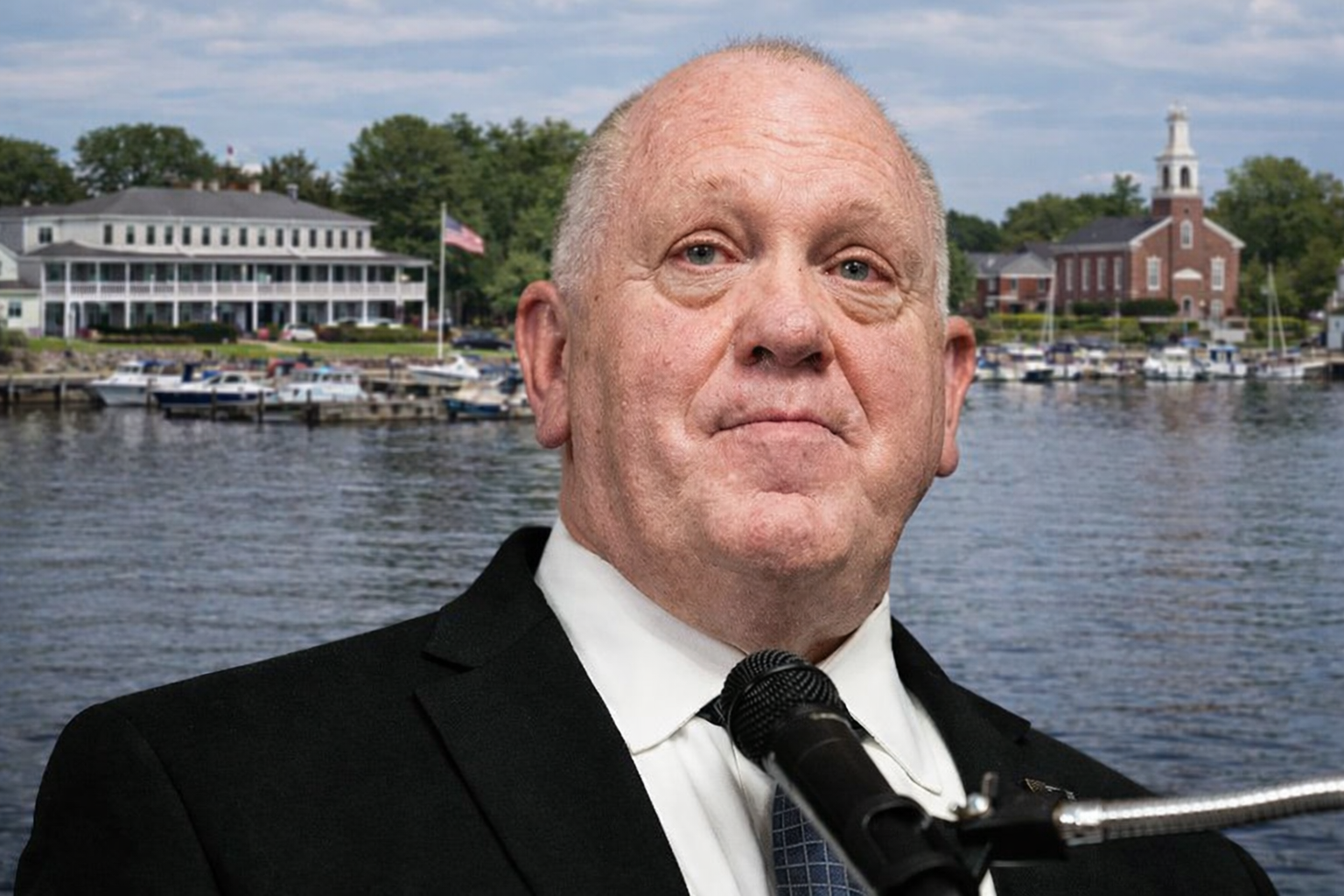
SACKETS HARBOR — According to local media reporting and comments attributed to Sackets Harbor Mayor Alex Morgia, the mayor says he contacted federal border official Tom Homan about three weeks ago and told him that his boat is no longer welcome at the mayor’s marina at Madison Barracks, and that he does not want to host Mr. Homan’s security detail at his hotel.
Local media sources also report Morgia as saying: “I have employees, guests and residents at the marina and hotels from a lot of backgrounds and I have to consider their comfort. I’m also not comfortable having my businesses associated with the direction federal enforcement has taken.”
He reportedly added: “That’s a personal and business call… and mine to make.”
And yes, it is his call. But when the person making that call is the mayor of one of the North Country’s best-known tourism villages, and when that decision involves one of the most high-profile federal immigration figures in America — a man who lives in Sackets Harbor — that is no longer just private business. That is news.
Tom Homan, President Donald Trump’s border czar, has deep North Country roots and owns a home in Sackets Harbor. His presence has already placed the village into the national political spotlight before, especially during the 2025 immigration controversy and protests that drew significant attention to the community. WWNY reported on those events, including a march routed toward Homan’s home, and identified him as a Sackets Harbor resident.
Now the question is not simply whether the mayor can make a business decision. Of course he can. The real question is whether turning Sackets Harbor into a place seen as politically selective helps or hurts the village itself.
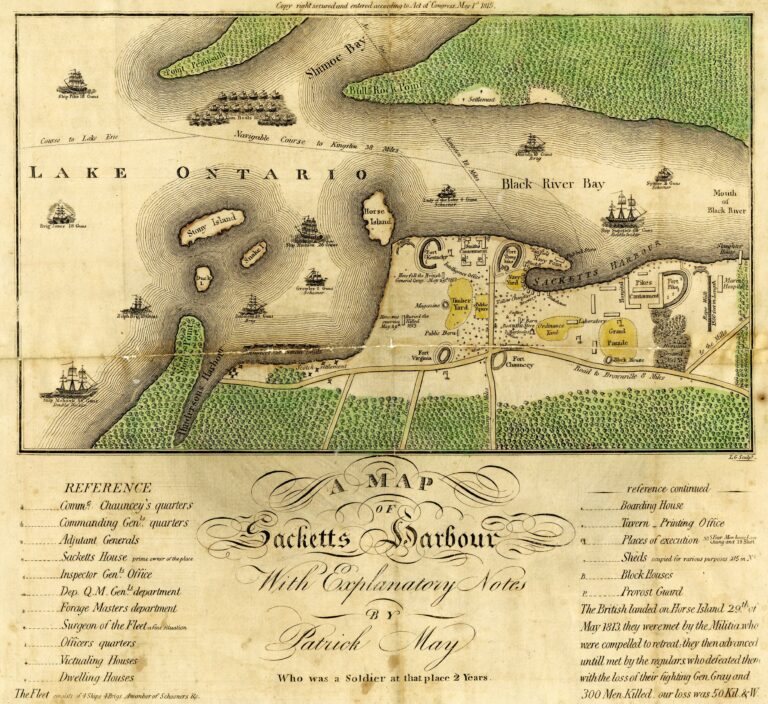
Sackets Harbor is not just any village. It is a historic waterfront destination that depends heavily on visitors, boaters, diners, weekenders, and seasonal traffic. Tourism towns tend to do best when they project charm, hospitality, and a broad welcome mat. Once a town starts looking like it is picking sides in the national culture war, people notice. Some cheer. Others quietly choose somewhere else.
That is the risk here.
A tourism economy can be surprisingly fragile. Visitors do not need a formal boycott. They just need a feeling. If enough people begin to see Sackets Harbor as hostile territory for Trump supporters, conservatives, law-and-order voters, or even just people who are tired of politics invading every corner of life, that can reshape the village’s customer base over time. It may not happen overnight. But perceptions travel fast, especially in the social media age, where towns can get branded in a weekend and wear the label for years.
The obvious follow-up question is whether Sackets Harbor wants to become known as a kind of North Country ideological enclave — a place where one political tribe feels affirmed and the other feels unwelcome. That may thrill some activists. It may also narrow the town’s appeal.
And that would be a strange turn for a village that has traditionally sold itself on history, scenery, hospitality, and its unique identity on the lake.
This is where local leadership matters. Public officials do not stop being private citizens altogether, but they do lose the luxury of pretending high-profile decisions carry no public consequences. When a mayor publicly distances his businesses from a nationally known figure who lives in the same village, and does so on ideological grounds, it sends a message beyond the dock, beyond the hotel desk, and beyond the next reservation.
Some residents may applaud Morgia for making what he sees as a values-based call. Others will see it as needlessly divisive, especially given that Homan is not some random political celebrity passing through, but a local figure with a home in the village and national stature tied directly to the current administration.
That matters because Sackets Harbor’s future should probably be bigger than partisan sorting.
A village that welcomes only one kind of politics eventually becomes smaller than it thinks. Smaller culturally. Smaller economically. Smaller in spirit. The danger is not that Sackets Harbor will stop attracting visitors altogether. The danger is that it could begin attracting a narrower, more ideological crowd while pushing away others who once saw it simply as a beautiful historic town on Lake Ontario.
That may be a satisfying statement in the short term. But in the long term, tourism towns usually do better when they sell destination first and politics last.
Sackets Harbor now faces a simple test: does it want to be known as a waterfront jewel of the North Country — or as a village where national political signaling has become part of the brand?
Because once that brand hardens, good luck scraping it off the hull.
About the Author