
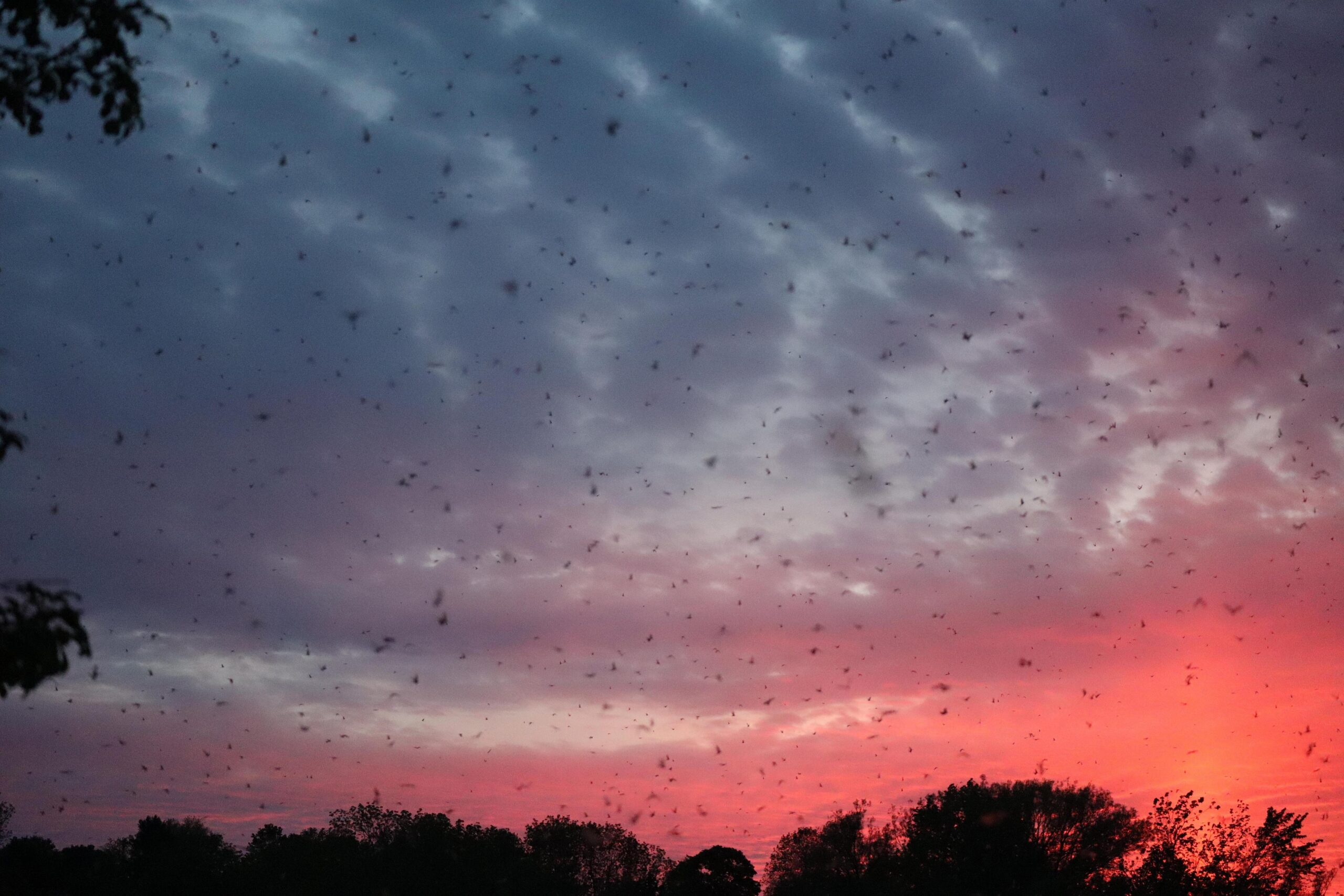
The Bugs Survived the Winter… And Northern New York May Pay For It
By Joel Pilon
Watertown, NY
For generations, the brutal winters of Northern New York served a purpose beyond snowmobiling, heating bills, and complaints about shoveling driveways at 5 in the morning.
They killed things.
Mosquitoes. Ticks. Crop pests. Tree-destroying insects. Parasites. Swarming nuisances that nature traditionally kept in check with months of deep freezes and subzero punishment.
But this past winter? Not exactly the kind of winter the North Country built its reputation on.
And now experts across New York are warning that the state could be heading into what some are dramatically calling a “biblical-level” insect season after a warmer and less consistent winter allowed more bugs to survive into spring. Reports from downstate are already sounding alarms over exploding populations of invasive species and aggressive pests.
While much of the media attention is focused on the Hudson Valley and New York City suburbs, Northern New York may want to pay attention too.
Because when bugs explode in the North Country, they don’t just become annoying — they become a way of life.
Anyone who has spent time near the Adirondacks, Tug Hill, the Black River, Lake Ontario shoreline, or the St. Lawrence River knows exactly what happens when the conditions are right. Black flies descend like miniature fighter squadrons. Mosquitoes rise from wetlands in clouds thick enough to make you question your life choices. Ticks spread farther and survive longer. Tent caterpillars begin turning trees into something out of a horror movie.
And unlike downstate, where people retreat into air-conditioned apartments, life in Northern New York actually depends on the outdoors.
Campgrounds. Fishing. Boating. Hiking. Farming. Construction. Fort Drum training exercises. Tourism. Backyard barbecues. All of it gets affected when insect populations surge.
One of the biggest concerns statewide is the continued spread of the spotted lanternfly, an invasive species that damages crops, trees, and vineyards while spreading aggressively by hitching rides on vehicles and equipment. Experts fear milder winters are helping invasive populations survive farther north than usual.
The reality is this: the North Country ecosystem was historically designed around hard freezes.
Deep cold once acted like nature’s reset button.
Now winters increasingly feature January thaws, freezing rain, mud seasons in February, and inconsistent snowpack. Instead of months of sustained deep freeze, the region is experiencing more temperature swings that allow insect populations to survive in greater numbers.
That doesn’t just mean more mosquitoes annoying people on patios.
It can mean:
- more ticks carrying disease
- more forest damage
- more crop stress
- more invasive species
- more pressure on already struggling ecosystems
And Northern New York is uniquely vulnerable because so much of the region is rural, wooded, wet, and heavily connected to waterways.
Of course, longtime North Country residents are also rolling their eyes a bit at the phrase “biblical-level insect surge.”
Around here, “biblical” usually means snowfall measured in feet, not mosquitoes measured in swarms.
Still, even skeptics admit something feels different lately.
The winters don’t lock in the way they once did. Lakes freeze later. Mud season arrives earlier. Ticks appear sooner. And people who grew up here increasingly find themselves talking about insects they barely remember seeing decades ago.
Whether this summer turns into a true bug apocalypse remains to be seen.
But one thing is certain:
If the bugs really did survive the winter in larger numbers than usual, Northern New York is about to find out very quickly.
About the Author