Summer is here, and with it comes the perennial debate in Watertown: how best to spend public dollars to serve our families and kids during these warm, school-free months. The city is once again preparing to sink significant taxpayer funds into maintaining a couple of city pools—pools that, let’s be honest, charge admission anyway and are only open for a short window each year.
By The Watertown Post Editorial Team
Summer is here, and with it comes the perennial debate in Watertown: how best to spend public dollars to serve our families and kids during these warm, school-free months. The city is once again preparing to sink significant taxpayer funds into maintaining a couple of city pools—pools that, let’s be honest, charge admission anyway and are only open for a short window each year.
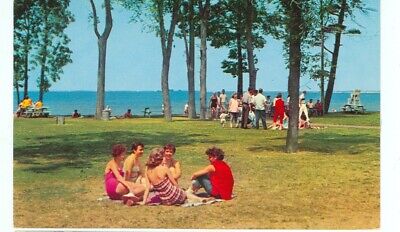
Meanwhile, the world’s biggest swimming pool—Lake Ontario—sits just 30 minutes away, shimmering and underused.
Here’s the thing: we’re not saying we don’t care about children. In fact, it’s the opposite. We want to give them more—more opportunity, more access, and smarter investments. But sometimes “more” doesn’t mean pouring more tax dollars into the same old ideas.
Let’s face it: city pools are expensive to maintain, limited in reach, and operational for just a couple months a year. Is it really the best use of our budget to keep pumping dollars into aging concrete when nature has already done the heavy lifting?
Imagine this: a local business—maybe a dealership, a bank, or even one of the many civic-minded shops downtown—sponsors a weekend shuttle between Watertown and Westcott Beach. Kids and families get access to the lake, the trails, the beach, and the great outdoors. Suddenly, nature becomes not just a scenic backdrop, but part of our community life. That’s partnership. That’s vision. And that’s a lot more sustainable than more chlorine and patchwork maintenance.
Of course, critics will ask: “What about the kids who can’t get out to the lake?” To them we say—what about building fenced toddler parks on city-owned vacant lots that just sit there gathering weeds? What about more neighborhood libraries where children can cool off, read, and learn? What about splash pads that require less staffing, cost less to operate, and serve more people?
And most importantly—what about the long game?
We’re in this loop of “how do we pay for this?” because we’re always trying to patch the present instead of building the future. Watertown needs to attract big business, and yes—we said it. That’s not selling out. That’s what successful American cities do. When you broaden the tax base and bring in serious industry or commerce, the city doesn’t have to choose between books and swim lessons. It can do both.
We need jobs, not just summer band-aids. We need investment, not more budget juggling. And with a balanced, forward-looking economy, Watertown can afford all the bells and whistles that make a city great—without crushing property owners or nickel-and-diming taxpayers for a two-month pool pass.
Let’s use what we have. Let’s dream a little bigger. And let’s not put the cart before the horse.
The lake is calling. The opportunities are real. Let’s make this summer the one where Watertown finally starts thinking like a city on the rise.
About the Author