
Anthony Constantino's YouTube channel shows an animated depiction of political strategist Roger Stone in Thank You President Trump: The Cartoon Adventure, reflecting the campaign's embrace of stylized animation and digital storytelling.
LAKE PLACID, N.Y. — By Hans Wilder
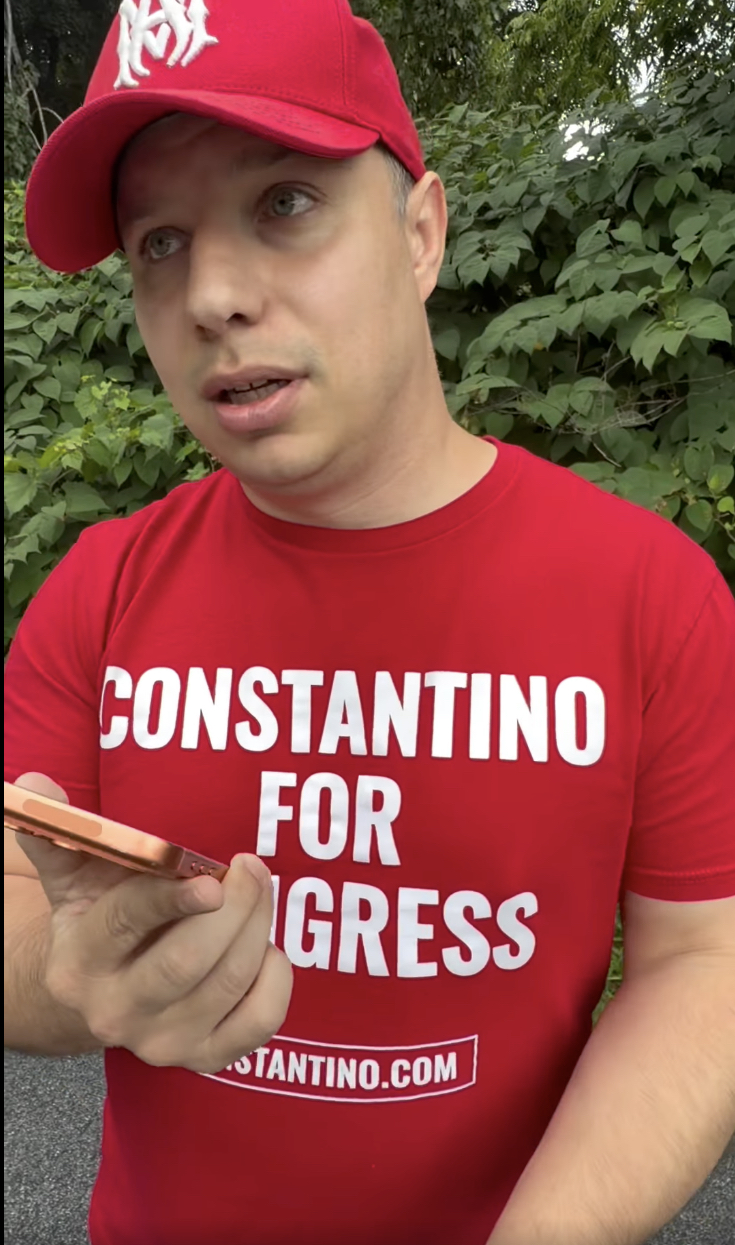
Anthony Constantino has never run a conventional political campaign, and it doesn’t look like he’s planning to start now.
The Republican candidate for Congress in New York’s 21st District continues expanding his online media presence, this time with what appears to be a new animated, cartoon-driven YouTube effort built around his already-established Thank You President Trump brand. The project follows his pro-Trump music releases and social media strategy that have made him one of the most unconventional congressional candidates in the country.
From a political standpoint, it’s an interesting gamble.
The cartoon style leans heavily into modern internet culture, featuring urban-inspired artwork, tattooed animated characters, hip-hop aesthetics, and over-the-top visuals designed to capture attention on YouTube and social media. Whether people love it or hate it, one thing is certain—it gets people talking.
From the Watertown Post’s perspective, however, there’s a balancing act taking place.
The southern portion of NY-21 stretches into areas around the Capital Region and Mohawk Valley, where younger voters, boxing fans, hip-hop listeners, and social media audiences may find this style appealing. If Constantino’s internal polling suggests these voters could make the difference in November, then targeting them makes strategic sense.
But NY-21 is also one of America’s most rural congressional districts.
It is home to dairy farms, small towns, churches, veterans, family businesses, and communities whose conservative values were established long before YouTube even existed. North Country voters—including many Amish and Mennonite communities—often respond to a much different political style than younger internet audiences.
That creates what political observers might call a classic Catch-22.
Lean too hard into internet culture, and you risk confusing or alienating traditional conservative voters who simply want to hear about taxes, farming, energy, border security, and local jobs.
Stay too traditional, and you risk missing younger voters who increasingly consume politics through short videos, memes, music, and animated content instead of television news.
Ultimately, Constantino almost certainly has access to campaign polling that the public does not. Campaigns regularly commission surveys measuring which messages resonate with different groups of voters. If those numbers indicate that expanding into new demographics helps build the coalition needed to win in November, then the strategy may prove worthwhile.
Politics has changed dramatically over the last decade.
Campaigns are no longer fought solely through television commercials and newspaper endorsements. Increasingly, they’re fought through podcasts, YouTube channels, social media personalities, AI-generated videos, music, memes, and online communities.
Whether this latest media venture becomes a political asset or simply another colorful chapter in an already unconventional campaign remains to be seen.
One thing is certain: Anthony Constantino isn’t running the kind of campaign anyone will soon forget.
About the Author