WATERTOWN, N.Y. — A simple comment posted on the Watertown Post this week summed up a growing frustration heard from some city residents:
“WLDC should be disbanded.”
It’s not the first time criticism has been directed at the Watertown Local Development Corporation (WLDC), and it likely won’t be the last.
The organization was created in 1982 as a public-benefit corporation with a mission of promoting economic development, supporting business growth, creating jobs, and helping eliminate blight within the City of Watertown. It operates separately from City Hall but works closely with city government and other development agencies.
Supporters argue the WLDC provides financing opportunities for businesses that may not otherwise qualify through traditional lenders and serves as a tool to encourage investment in the city. The organization states that its purpose is to leverage public resources to create jobs, retain businesses, and revitalize neighborhoods.
Critics, however, question whether taxpayers are receiving enough return on investment.
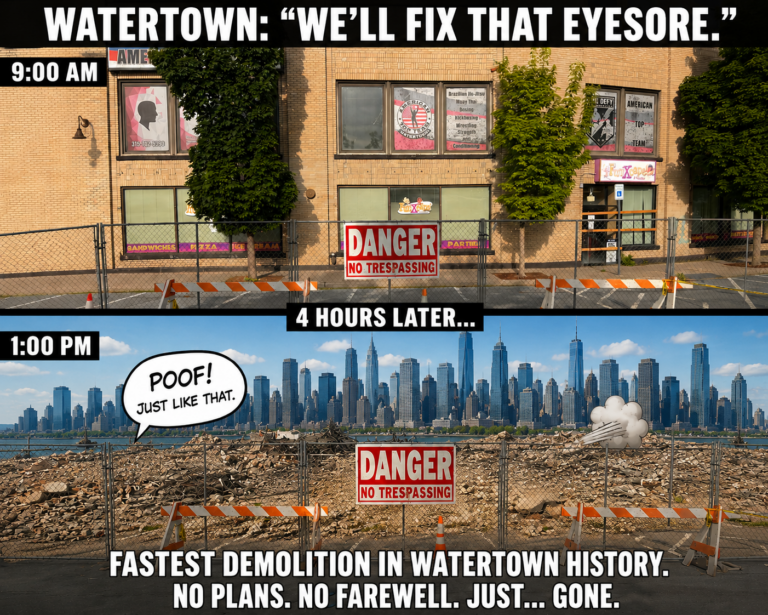
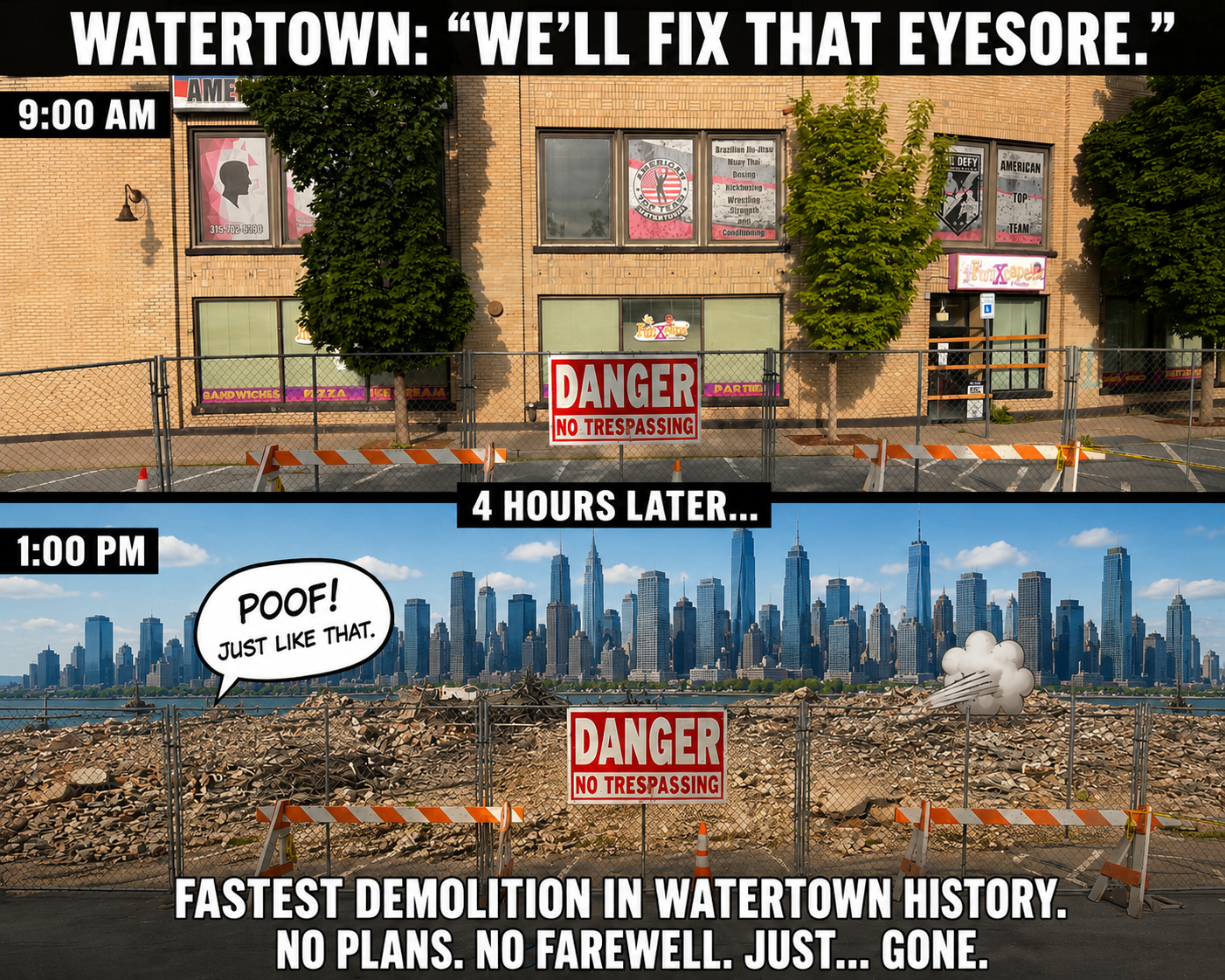
In recent years, some residents have pointed to vacant properties, stalled projects, and loans that ended up in legal disputes. One notable example involved the former FunXcape property on JB Wise Place, where the WLDC pursued legal action after a borrower fell significantly behind on loan payments.
Others question whether Watertown needs multiple layers of economic development organizations. Between City Planning, Jefferson County economic development agencies, the Development Authority of the North Country, Empire State Development, and the WLDC itself, some residents wonder if the system has become too complicated and too bureaucratic.
At the same time, supporters note that economic development is often a long game. Projects can take years to materialize, and not every investment succeeds. They argue that without organizations like the WLDC, Watertown could have even fewer tools available to attract businesses and redevelop troubled properties.
The real question may not be whether the WLDC should be disbanded, but whether it should be reformed.
How much should taxpayers expect to see for the money being invested? How should success be measured? More jobs? More taxpayers? Fewer vacant buildings? Faster redevelopment?
As Watertown continues debating the future of downtown, vacant properties, housing, and economic growth, don’t expect the discussion around the WLDC to go away anytime soon.
One thing is certain: when residents start openly asking whether an organization should continue to exist, that’s usually a sign they’re looking for more visible results.
About the Author