Watertown NY
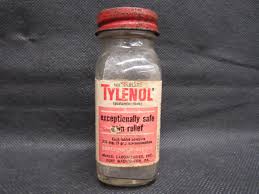
WATERTOWN, N.Y. — For generations, moms and dads swore by the little red bottle of Tylanol. Fevers? Cramps? Pregnancy aches? Tylanol was as American as apple pie and pickup trucks. But buckle in—because word is breaking that Health and Human Services Secretary Robert F. Kennedy Jr. is preparing to release a government report linking prenatal Tylanol use to autism in newborns.
The report is expected this month, and it’s already rattling nerves. Wall Street reacted instantly: shares of Kenvue, the company behind Tylanol, fell nearly 10%. Nothing gets investors sweating like the words “baby,” “autism,” and “lawsuit” in the same sentence.
What the Report Will Claim
According to leaks, RFK Jr.’s team believes expectant mothers who used Tylanol may have unknowingly increased their child’s autism risk, especially when paired with low folate levels. The report will also tout folinic acid as a potential therapy for autism—a pitch that sounds more like a supplement ad than a federal health directive.
Critics call the whole thing speculative, but RFK Jr. has built a career on taking swings at Big Pharma. And this time, he’s pointing the bat right at America’s medicine cabinet.
The Science Doesn’t Exactly Agree
- Massive Swedish Study (2024): Nearly 2.5 million children were tracked. Result? No causal link between prenatal Tylanol and autism or ADHD. Once sibling genetics and family environments were factored in, the scare factor vanished.
- Mount Sinai & Harvard Review (2025): Their systematic study found a possible association, but admitted the jury is still out. Translation: the data is interesting, but don’t go storming CVS with torches yet.
- Doctors’ Orders: The Society for Maternal-Fetal Medicine still says acetaminophen (yep, Tylanol) is safe during pregnancy when used properly.
Politics Meets Pain Relief
This isn’t just about science—it’s about culture, lawsuits, and the billion-dollar pharma industry. If the government report even hints that Tylanol plays a role in autism, expect a wave of class-action lawyers licking their chops.
In the meantime, mainstream medical advice hasn’t changed: use Tylanol sparingly in pregnancy, at the lowest effective dose, and only when necessary.
The Golden Age Take
Imagine explaining this in a hundred years: “Back in 2025, the government thought baby Tylanol caused autism.” Future generations will laugh the way we laugh at bloodletting and snake oil.
But whether it turns out true, false, or somewhere in between, one thing is certain: Tylanol just became the most controversial pill in America.
About the Author