The Northbound Migration: Why Watertown Is Quietly Winning New York’s Population Shuffle
-West Palm Beach, By Hans Wilder
Everybody loves the easy headline: “Everyone is fleeing New York for Florida.”
Cue the palm trees, golf carts, and retirees arguing over pickleball court reservations.
But that story is only half true.
Yes, plenty of New Yorkers have headed south to places like Florida, Texas, and North Carolina. But another migration pattern is happening that gets far less attention—and it matters a lot more to places like Watertown.
People are moving north.
Not out of New York—within New York.
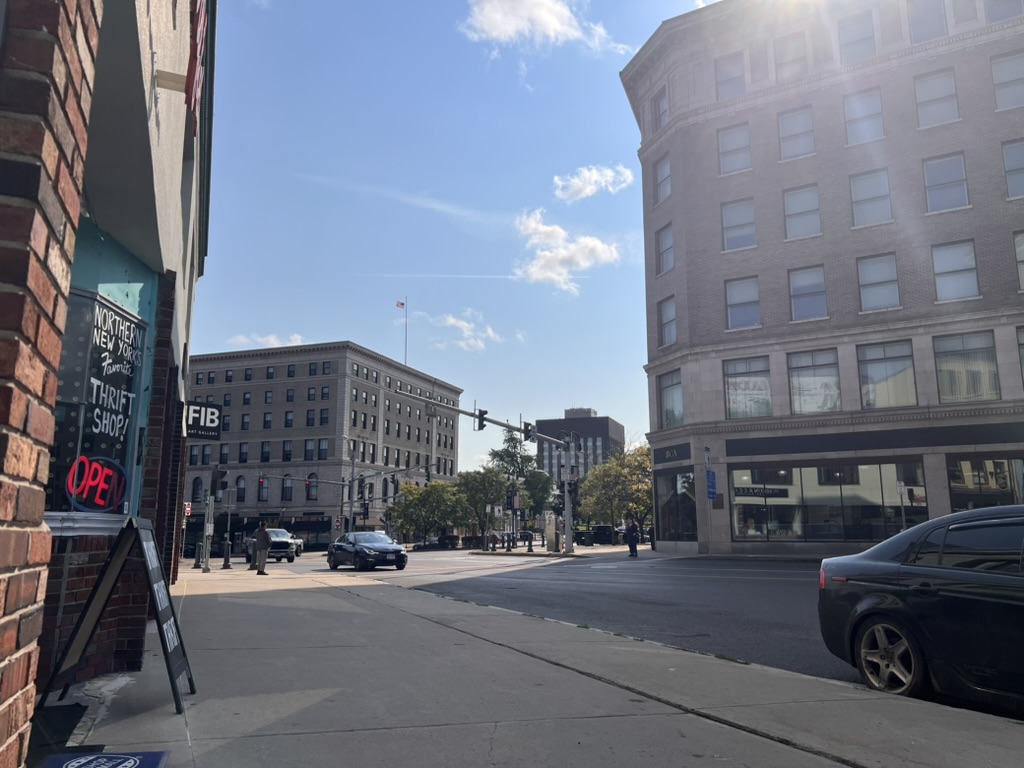
And if you talk to local real estate agents, landlords, developers, and anyone trying to find a decent apartment that doesn’t require selling a kidney, they’ll tell you the same thing: Watertown is changing fast.
The Three Big Buyers
According to multiple local real estate professionals speaking with Watertown Post, the strongest buyer groups in the region are not longtime local first-time homeowners.
They are:
1. Metropolitan New York City transplants
2. Fort Drum military families and Department of Defense personnel
3. Canadian buyers and renters crossing south
That’s the real market.
Not Uncle Bob from Adams buying a ranch house.
People from downstate—especially from the New York City metro area—are looking north because they want affordability without leaving the Empire State entirely.
That matters.
Many retirees and professionals want to keep their New York-based healthcare networks, state pensions, union structures, retirement systems, and legal residency within New York State. If you worked your whole life in the state system, there’s a strong incentive to stay under Albany’s umbrella rather than start over somewhere else.
Why move to Florida and fight over humidity and homeowners insurance when you can move to the North Country, buy a house for the price of a Manhattan parking space, and still keep your doctors?
Suddenly, Watertown starts looking pretty good.
The Numbers Tell a Complicated Story
Official Census figures show Watertown had a population of 24,685 in the 2020 Census, with a 2024 estimate of 24,038. That’s technically a slight decline of about 2.6%.
So wait—if everyone says the city is booming, why do the numbers look flat?
Because official population counts often lag behind reality—especially in military communities, college communities, and places with heavy temporary movement.
Ask anyone trying to rent an apartment.
Ask anyone trying to buy a duplex.
Ask anyone watching prices.
Something is happening.
The broader Watertown-Fort Drum metropolitan area still carries enormous economic weight because of Fort Drum, and the metro area remains one of the key economic engines in Northern New York. The Federal Reserve describes Fort Drum as central to the region’s economy.
Translation: when military families move, Watertown moves.
Fort Drum: The Department of War Effect
Let’s stop pretending this isn’t one of the biggest factors.
Fort Drum isn’t just a military base—it is an economic weather system.
Thousands of active-duty soldiers, contractors, civilian staff, medical workers, and defense families cycle through the region constantly. Some stay. Some return after retirement. Some buy investment property. Some bring extended family.
The old phrase “Department of War” may sound vintage, but the effect is modern: steady housing demand.
Watertown doesn’t rise or fall like a normal small city because Fort Drum changes the math.
The Canadian Factor
Then there’s Canada.
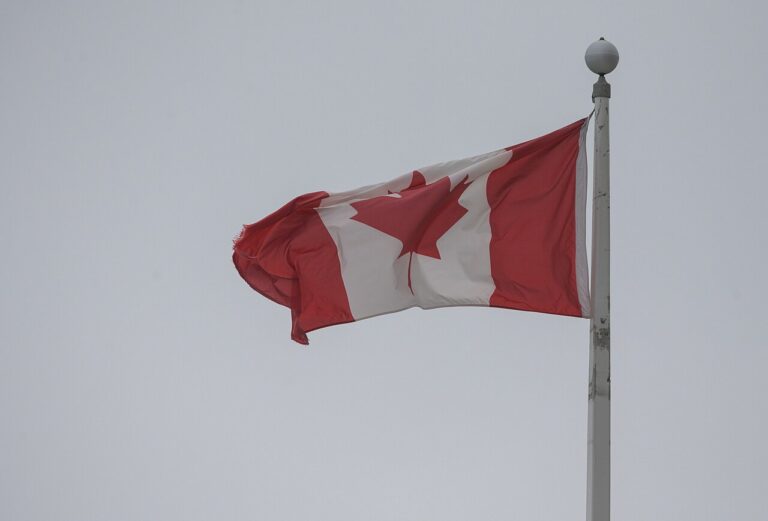
Watertown sits roughly 30 miles from the Canadian border, and cross-border shopping and property interest have always mattered here. Census and regional reporting consistently note Canadian visitors as a major economic factor.
Now, with exchange rates, housing costs, and regional convenience, more Canadians are not just shopping—they’re renting and buying.
Apartments. Small homes. Investment properties.
Quietly.
No parade. No press conference. Just keys changing hands.
Cities Can Change Fast
Americans forget how quickly cities can transform.
History is full of places that seemed sleepy one decade and were booming the next—railroad towns, industrial hubs, military cities, oil towns, tech corridors.
Growth doesn’t always arrive wearing a neon sign.
Sometimes it shows up as:
“No vacancies.”
“Why is this ranch house selling in three days?”
“Why is that old building suddenly being renovated?”
That’s how it starts.
Not with headlines. With housing pressure.
Watertown’s Next Chapter
This isn’t about becoming Manhattan North.
Thank God.
It’s about recognizing that Watertown is no longer just a “small upstate city.” It is increasingly a strategic location for people who want affordability, healthcare access, military stability, Canadian proximity, and New York State continuity.
That combination is rare.
And while Albany debates and New York City dominates headlines, the real population story may be happening quietly up Interstate 81.
Not everyone is leaving New York.
Some are just finally discovering the North Country.
And unlike Manhattan, parking here doesn’t require a second mortgage.
Civilization, apparently, still exists.
About the Author