
“Troopergate” has exposed not just the fragility of public trust, but the lengths to which some will go to flex authority even when the courts say no.
By Watertown Post Staff
The cloud over City Hall just got darker.
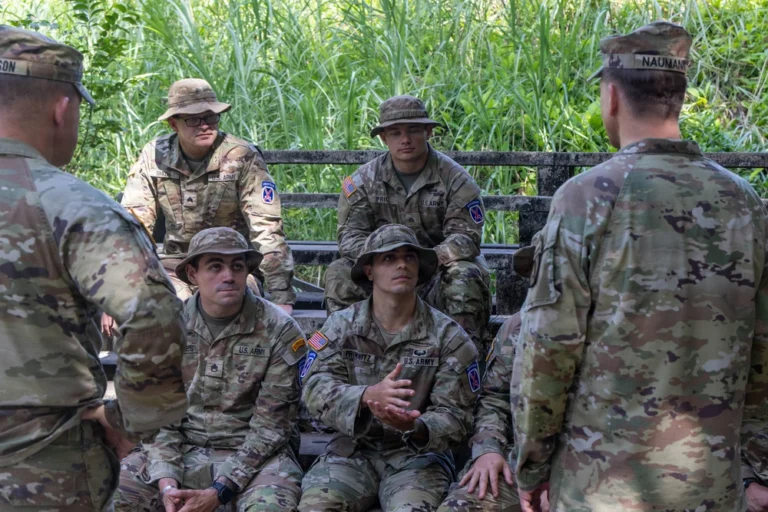
On January 21, 2025, New York State Police troopers showed up at a Watertown City Council meeting demanding council members’ cell phones. At the time, officials insisted this was part of a legitimate probe. Now, thanks to newly surfaced information, the story looks far different — and far more troubling.
According to former Mayor Jeff Graham’s blog, three separate judges denied the State Police’s request for a warrant to seize council members’ phones. The reason? Lack of probable cause. In other words — there was nothing there.
Despite that, troopers still marched into the meeting, asking for devices anyway. One council member later recalled troopers claiming they “had a warrant” but simply forgot to bring it, apparently confident no one would challenge them.
Councilman Cliff Olney, who refused to hand over his phone without proper paperwork, now says this wasn’t about hiding anything — it was about defending the Constitution. “Exercising your constitutional rights is not ‘hiding something’ — it’s protecting all of us from government overreach,” Olney said.
When Olney eventually allowed troopers to review specific communications between himself, and Councilwoman Lisa Ruggiero and one other councilmen one trooper allegedly admitted to another that there was “nothing there.” The probe was quietly dropped.
But questions linger. Who ordered the ambush at City Hall? Was the Third Floor (the city’s executive offices) aware that judges had already rejected the warrants? And why did it take months for the truth to surface?
Adding fuel to the controversy, the city recently received a Freedom of Information Law (FOIL) request from a private citizen seeking five years of records connected to the incident — a sign that this issue is far from over.
For now, “Troopergate” has exposed not just the fragility of public trust, but the lengths to which some will go to flex authority even when the courts say no.
About the Author