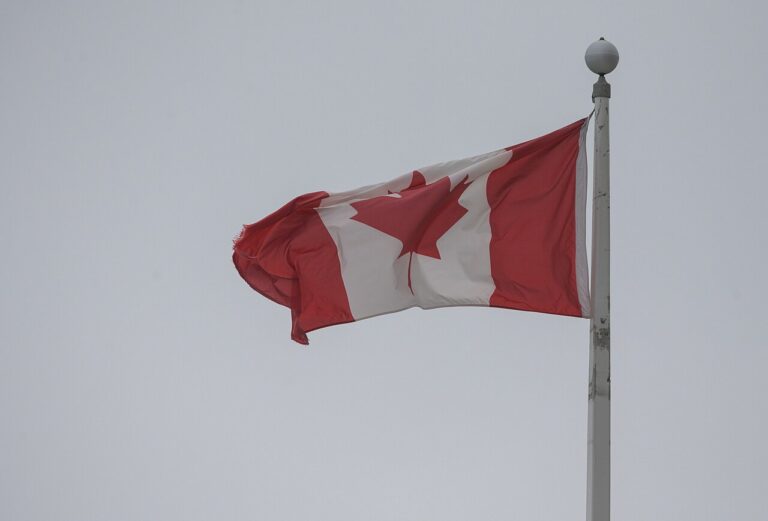

A country is deemed to have “eliminated” a disease like Measles when there is no continuous endemic transmission of the virus for at least 12 months, thanks to sufficient vaccination coverage and strong surveillance
⚠️ Why this matters for Northern NY
Northern New York sits in a sensitive border zone: travel flows, cross-border communities, and inter-state public health interactions mean that outbreaks just north of the border increase risk southward. Here’s how things could play out:
- Increased importation risk
When Canada experiences a measles outbreak and loses elimination status, it signals that the barrier against endemic spread is weakening. Visitors, commuters, tourists crossing into New York (especially near the border) may bring the virus. - Lowered herd immunity margin
Measles is highly contagious — the herd-immunity threshold (the percent needing immunity) is 90–95 %. PMC+1 If Northern NY’s vaccination rates or immunity levels fall short, even a small introduction could spark local transmission. - Vulnerable sub-regions/communities
Rural and semi-rural zones (like parts of Northern NY) can have pockets of lower vaccine uptake or delayed immunization. If the virus enters such a community, spread can be faster.
Health systems may also be less prepared or slower to detect and respond. - Bordered public-health coordination
Outbreaks in Canada also stress the need for coordination across states/provinces/territories. Public-health authorities in Northern NY and adjacent Ontario/Québec jurisdictions must share surveillance, vaccination outreach and responsiveness.
🔍 What to watch / what to do locally
- Check local vaccination coverage data: If schools, counties or health districts in Northern NY report lower than ~95 % two-dose uptake for measles-containing vaccine, that’s a weak point.
- Monitor for increase in measles cases & alerts: If Ontario, Québec or the bordering Canadian provinces report rising measles cases, that may serve as an early warning signal for Northern NY public-health teams.
- Ensure healthcare/community readiness: Clinics, hospitals and public-health units in Northern NY may need to refresh protocols for measles (isolation, reporting, contact tracing) especially for travellers or those with rash/fever illness.
- Outreach to under-immunized communities: Identify communities at higher risk (travel-linked families, under-vaccinated religious or ethnic groups, remote rural zones) and ramp up vaccine education and access.
- Travel advisories & surveillance at the border: Consider whether travellers from outbreak-areas should receive extra messaging or screening.
- Communication: Public-health messaging should reassure (vaccines work, we can respond) but also emphasize that measles is back on the menu and we need to stay vigilant.
🎯 Bottom line
For Northern NY: You aren’t staring down an immediate massive outbreak just because Canada lost elimination status — but you are in a higher-risk zone now. The barrier is lowered. If something slips (vaccination gaps, delayed detection, importation), local spread becomes more plausible.
About the Author