
Hochul Celebrates “Affordable Housing Boom” — New Yorkers Ask: “Affordable for Who?”
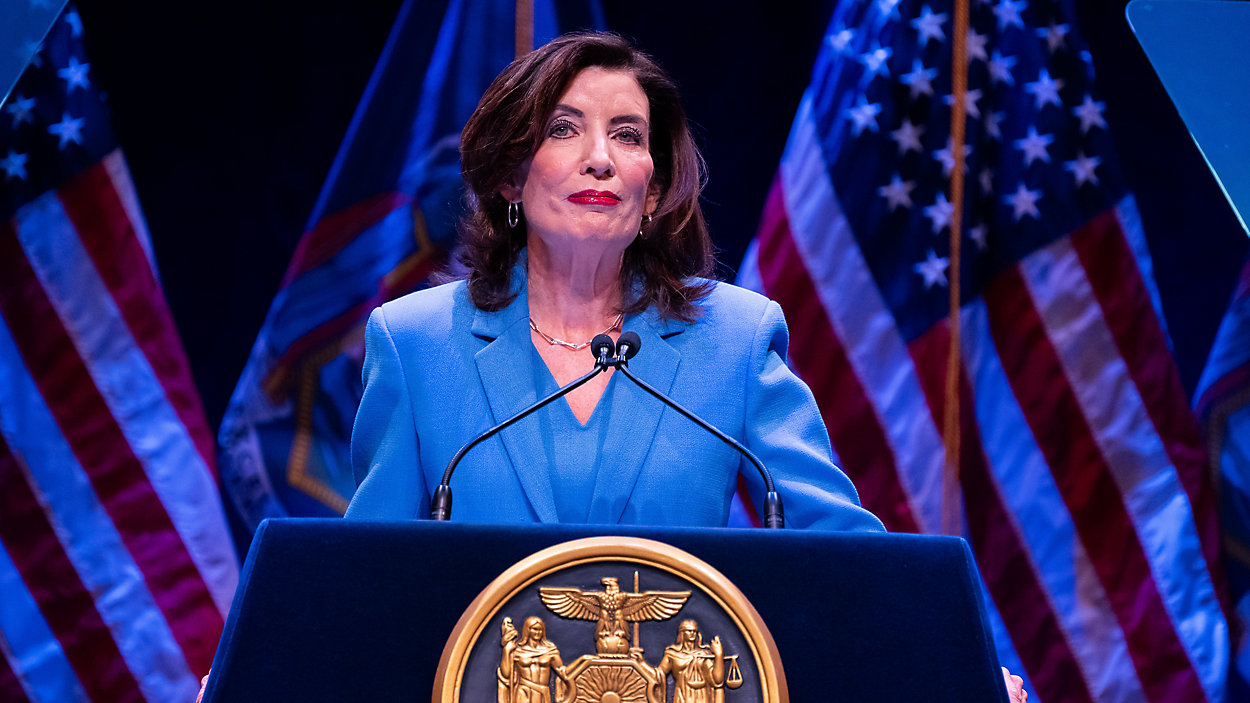
Gov. Kathy Hochul says New York has hit a record year for affordable housing production under her five-year housing plan, announcing that more than 22,000 affordable homes were either created or preserved during Fiscal Year 2025-26.
But across New York State — and especially in places like Northern New York, Metropolitan Watertown, and the Fort Drum region — many residents are responding with the same simple question:
“Where?”
The announcement immediately sparked backlash online from residents who say the word “affordable” has become one of the most disconnected political buzzwords in modern New York politics.
For many working-class New Yorkers, “affordable housing” often translates into heavily subsidized apartment complexes, rising taxes, and utility bills that can rival a car payment. Even if rent appears manageable on paper, NYSEG bills, property taxes, insurance costs, and inflation continue hammering household budgets.
That frustration is especially visible in communities around Watertown and Fort Drum, where housing prices surged during the pandemic years and never truly came back down. Military families rotating through the region, combined with limited inventory and rising interest rates, have created a market where even modest homes frequently feel out of reach for younger buyers.
Meanwhile, apartment rents that once seemed outrageous in Northern New York are now becoming normalized. In many parts of the state, residents say finding a basic two-bedroom apartment under $1,500 per month is nearly impossible.
Critics also point out that “preserved” housing is included in the state’s totals — meaning not all 22,000 units are newly built homes. Some are existing units that were renovated, maintained, or kept in affordability programs.
Online reactions ranged from skepticism to outright mockery, with commenters questioning whether the homes actually exist, whether taxpayers are footing the bill, and whether anyone earning a normal middle-class income can realistically qualify for or afford them.
Others argued the bigger issue isn’t simply building subsidized housing, but making New York itself affordable again through lower taxes, cheaper energy, and stronger economic growth.
And in Northern New York, where winter heating bills alone can crush a household budget, many residents say affordable housing means very little if people can’t afford to keep the lights on.
One thing is certain: Albany may be celebrating the numbers, but many New Yorkers remain unconvinced they’re feeling the results in real life.
About the Author