-West Palm Beach By Hans Wilder
One of my favorite myths in politics is that every so-called “spoiler candidate” automatically hurts the Republican.
That makes for a great television sound bite. It just doesn’t always match reality.
Politics is arithmetic. Before you decide who a third-party candidate hurts, you first have to ask a simple question: Where were those votes going in the first place?
Imagine a voter who has called himself a conservative for decades. He dislikes progressive policies, isn’t thrilled with the direction of today’s Democratic Party, but has also convinced himself that he simply cannot vote for Donald Trump.
We’ve all met that guy.
Now imagine a credible independent candidate enters the race and appeals to him. The political pundits immediately begin shouting, “Spoiler!”
Maybe.
But if that voter was never going to vote for Trump anyway, then the independent candidate hasn’t taken a vote away from Trump. He’s taken a vote away from Trump’s opponent. That’s a very different equation, and it’s one that often gets ignored because it doesn’t fit the standard political narrative.
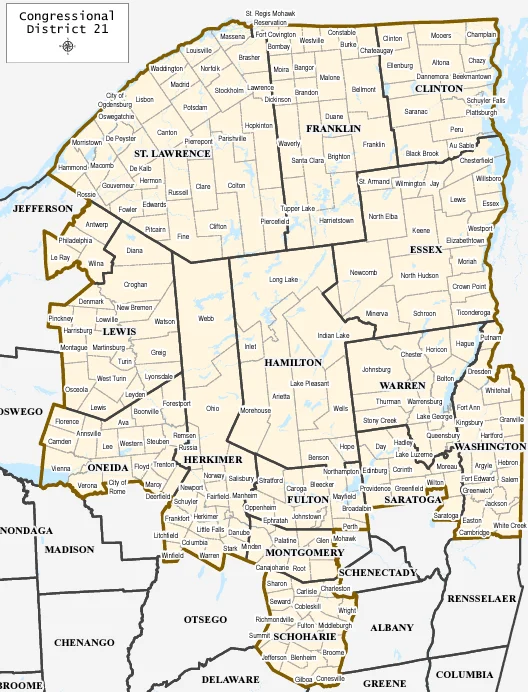
Now let’s bring that thinking home to New York’s 21st Congressional District.
At the moment, there is no serious third-party candidate with the organization, fundraising, or public support to fundamentally change this race. There are always a few people who file paperwork and make a little noise every election cycle, but nothing suggests a viable independent campaign is developing.
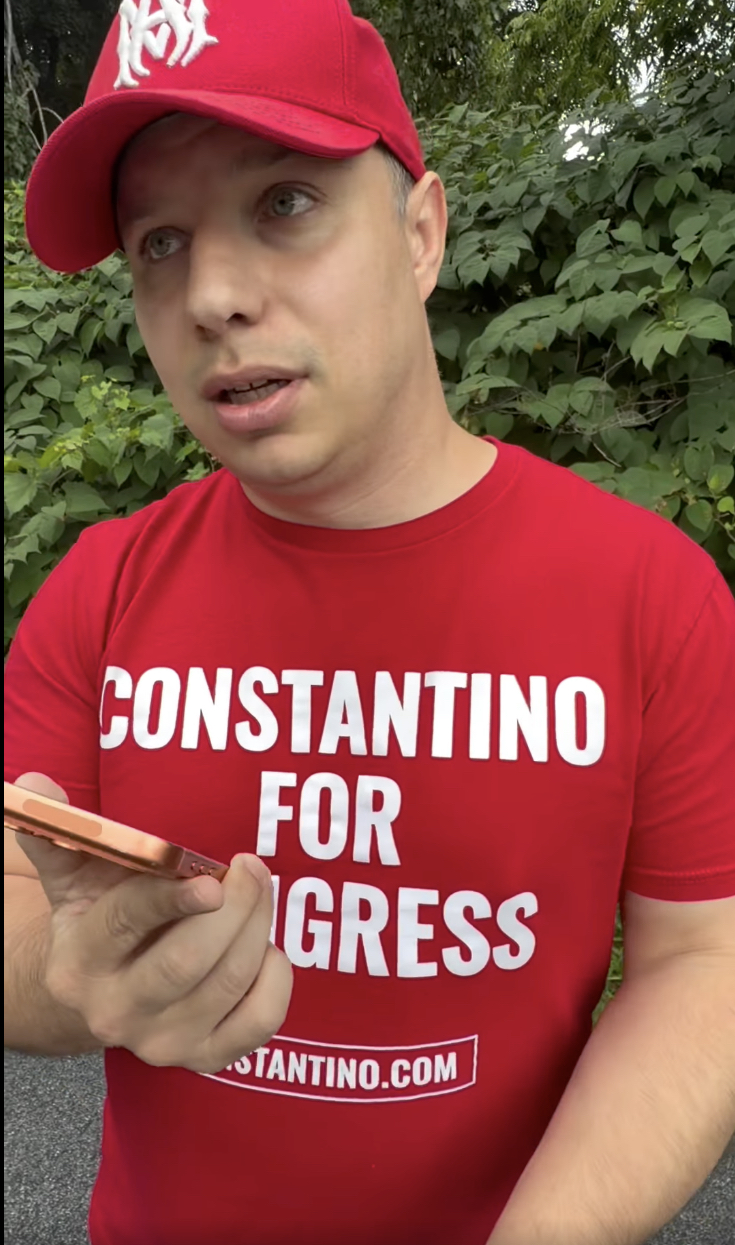
Instead, this race is shaping up as a straightforward contest between Republican Anthony Constantino and Democrat Blake Gendebien.
There is, however, one interesting wrinkle.
Former Republican candidate Robert Smullen has not disappeared from the conversation. Some Republicans continue to speculate about what role he could play between now and November. Whether that amounts to anything remains to be seen.
If Smullen were somehow to become a genuine spoiler—and I emphasize if—the conventional wisdom would immediately assume he hurts Anthony Constantino.
I’m not convinced.
My theory is exactly the same as it is at the presidential level. The answer depends on which voters he attracts.
If a candidate appeals primarily to voters who were already uncomfortable supporting Constantino, or to voters who otherwise were unlikely to vote Republican in November, then the political math changes dramatically. In that circumstance, the votes don’t necessarily come out of Constantino’s column. They can just as easily come from voters who otherwise would have supported Blake Gendebien or chosen not to participate at all.
That isn’t a prediction. It’s simply a reminder that election strategy is more complicated than cable television likes to admit.
For me, this election is ultimately about something bigger than personalities.
I call it the Golden Age.
To me, the Golden Age means rebuilding American manufacturing, strengthening our economy, securing our borders, encouraging innovation, creating opportunity, and giving people confidence that tomorrow can be better than today. Anthony Constantino has aligned himself with that agenda, and voters will decide whether they want to send someone to Washington who supports it.
The media often reduces elections to slogans, endorsements, and polling snapshots. Those things matter. But beneath all of that is something far more important: understanding how coalitions are built and where votes actually move.
The loudest political experts often treat every independent candidacy as though the outcome is already predetermined.
I don’t.
Elections aren’t won by repeating conventional wisdom. They’re won by understanding the numbers.
And in politics, the numbers don’t care about the narrative.
About the Author