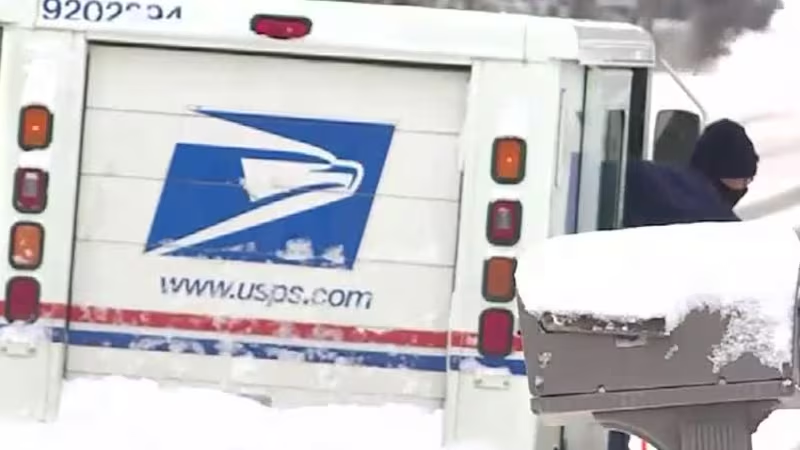
USPS truck on a snowy rural road → screams Northern NY relevance
By Watertown Post Staff
The United States Postal Service is facing a stark warning from its top official: without changes, the nation’s mail system could run out of money within the next year.
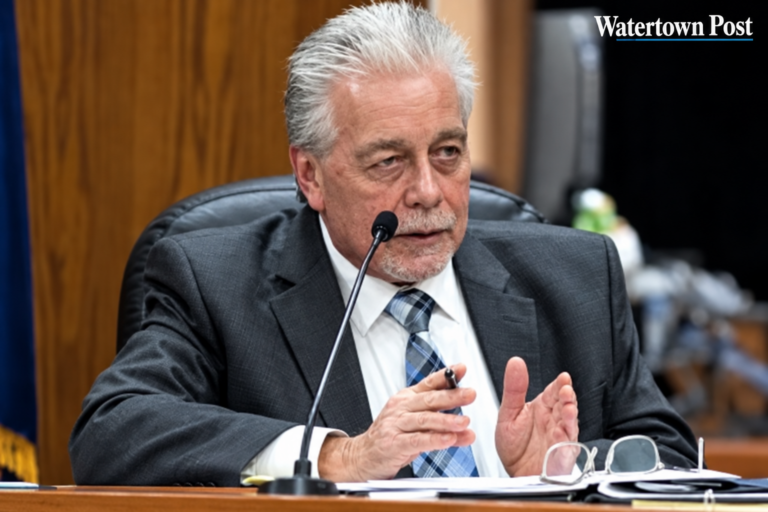
Speaking before the House Oversight Committee this week, Postmaster General David Steiner said the agency is approaching what he described as a “critical juncture.” At its current pace, he warned, the Postal Service could exhaust its cash reserves in less than 12 months—raising the possibility of major disruptions to daily mail delivery across the country.
At the center of the problem is something most Americans rarely think about: the Postal Service’s universal service obligation. That rule requires USPS to deliver mail to every address in the United States—for the same price—whether it’s an apartment in Manhattan or a farmhouse down a dirt road in Northern New York.
That mandate, while foundational to the country’s communication system, has become increasingly expensive in a modern era dominated by digital communication and rising delivery costs.
Stamp Prices, Political Pushback
To stabilize finances, USPS leadership has floated raising the cost of a first-class stamp from 78 cents to 95 cents. But that idea is already running into resistance in Washington.
Lawmakers on both sides acknowledged the seriousness of the situation during the hearing but showed little agreement on how to fix it. Some expressed concern that higher stamp prices would place additional burdens on everyday Americans already dealing with inflation.
The Postal Service, unlike most federal agencies, operates largely as a self-funded entity—relying on postage and service revenue rather than consistent taxpayer funding. Still, it has required federal intervention in the past to stay afloat.
What It Means for Northern New York
For communities like Watertown and the surrounding North Country, the stakes are especially high.
Rural regions depend heavily on consistent mail service—for everything from prescription deliveries and government checks to small business shipping. Any disruption or scaling back of service would hit these areas harder than urban centers, where private carriers are more readily available.
If changes come in the form of higher prices, slower delivery standards, or reduced service frequency, residents and businesses across Jefferson, Lewis, and St. Lawrence counties could feel the impact quickly.
A System Under Pressure
The Postal Service has been navigating financial strain for years, driven by declining first-class mail volumes, rising operational costs, and competition from private delivery companies.
What makes this moment different is the timeline.
A one-year runway puts pressure squarely on Congress and USPS leadership to act—whether that means restructuring service requirements, adjusting pricing, or once again turning to federal support.
For now, the message from Washington is clear: the system millions rely on every day is running out of time.
About the Author