
As governments and central banks quietly model worst-case scenarios tied to potential non-human intelligence disclosure, communities like Watertown, New York may be closer to the conversation than they realize—economically, strategically, and socially.
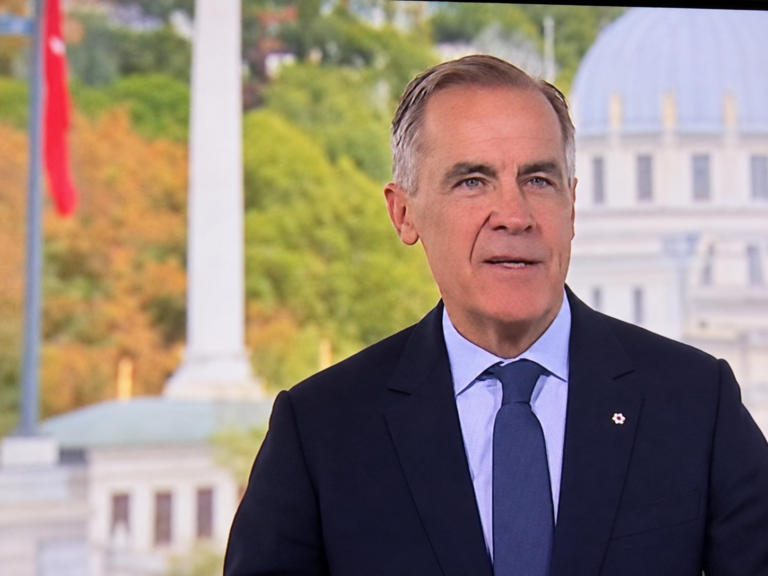
Is the Bank of England Preparing for Disclosure Shock? And What That Could Mean for Watertown, NY
For years, the phrase “financial stress testing” has been central-bank code for “we’re planning for something ugly.” Wars. Pandemics. Cyberattacks. Market meltdowns. All familiar territory.
But recently, a far less ordinary idea has entered the conversation: disclosure.
Not disclosure in the corporate sense—but disclosure in the cosmic sense.
Reports circulating internationally point to warnings issued by a former analyst connected to the Bank of England, arguing that governments should prepare for the economic shock that could follow official confirmation of non-human intelligence—whether extraterrestrial, non-terrestrial, or what some describe as “interdimensional.”
That warning wasn’t dismissed. It was logged, discussed, and—critically—treated as plausible enough to plan for.
Why central banks would take this seriously
Central banks don’t traffic in science fiction. They traffic in panic prevention.
History shows that markets don’t collapse because of facts—they collapse because of sudden belief shifts. If governments were to confirm the existence of advanced non-human intelligence, the immediate questions wouldn’t be philosophical. They’d be financial:
- Do governments still control the game?
- Does money still mean what people think it means?
- Do long-term investments still make sense?
- Do institutions still command trust?
In short: Would people still behave the same tomorrow as they did yesterday?
From a central bank perspective, that uncertainty alone is enough to justify contingency planning. Not because disclosure guarantees collapse—but because unmanaged shock can trigger one.
If London is thinking this way… Watertown shouldn’t ignore it
Watertown may feel a long way from Threadneedle Street, but global shocks don’t respect geography. When confidence wobbles, the ripple effects show up everywhere—especially in mid-size American cities tied to:
- military installations
- cross-border trade
- energy costs
- housing markets
- small business liquidity
Watertown checks all those boxes.
Fort Drum anchors the local economy. Small businesses rely on stable consumer confidence. Families depend on predictable prices and access to credit. If a disclosure event caused even a temporary freeze in markets or banking systems, communities like Watertown would feel it faster than Wall Street, not slower.
What “preparing” actually means (and no, it’s not building bunkers)
Preparation doesn’t mean panic. It means resilience.
Here’s what practical preparation looks like for real people, not doomsday preppers:
- Reduce personal debt exposure where possible
- Keep emergency cash accessible, not just digital
- Diversify savings (don’t rely on one institution or asset)
- Support local businesses that keep money circulating locally
- Stay informed—especially about banking access and infrastructure
This isn’t about aliens landing on Arsenal Street tomorrow. It’s about acknowledging that the information environment is changing, and governments themselves appear to be bracing for the public reaction.
The quiet part no one likes to say out loud
Institutions don’t plan for things they think are impossible.
They plan for things they think are unlikely—but survivable only if anticipated.
If the Bank of England is even entertaining disclosure-related stress scenarios, that tells us something important:
The era of “that could never happen” is officially over.
Whether disclosure comes next year, next decade, or never at all, the signal is clear—the adults in the room are gaming it out.
And if they are, communities like Watertown should be thinking one step ahead too.
Because preparedness isn’t fear.
It’s common sense.
— Watertown Post
About the Author