Before COVID-19 became a household term, before lockdowns, before vaccines, there was a warning.
By Staff Writer
WASHINGTON — Before COVID-19 became a household term, before lockdowns, before vaccines, there was a warning.
In November 2019—weeks before the global outbreak dominated headlines—a U.S.-based source with scientific knowledge told our sister publication Digital Media USA at an Orlando Airlines convention; that a potential containment failure tied to research activity in China could trigger a crisis. According to that firsthand account, lower-level workers connected to facilities near the Wuhan Institute of Virology—including janitorial staff—were allegedly removing animals intended for incineration and diverting them into local resale markets for supplemental income.
At the time, the claim sounded implausible. Today, it reads differently.
There is no publicly verified evidence confirming that specific account. U.S. intelligence agencies remain divided on whether the virus originated from a laboratory-related incident or natural transmission. But the existence of an early, specific warning—shared before the pandemic fully emerged—raises uncomfortable questions about what was known, what was suspected, and what was dismissed.
The Data Question
Now, years later, new allegations are surfacing from our sources in Washington suggesting that the handling of pandemic data may not have been as transparent as the public believed.
According to individuals familiar with internal discussions, there were concerns that certain negative findings tied to vaccine research were not emphasized in public-facing summaries. One claim—unverified but persistent—is that analytical methods may have been used to present results in a more favorable light.
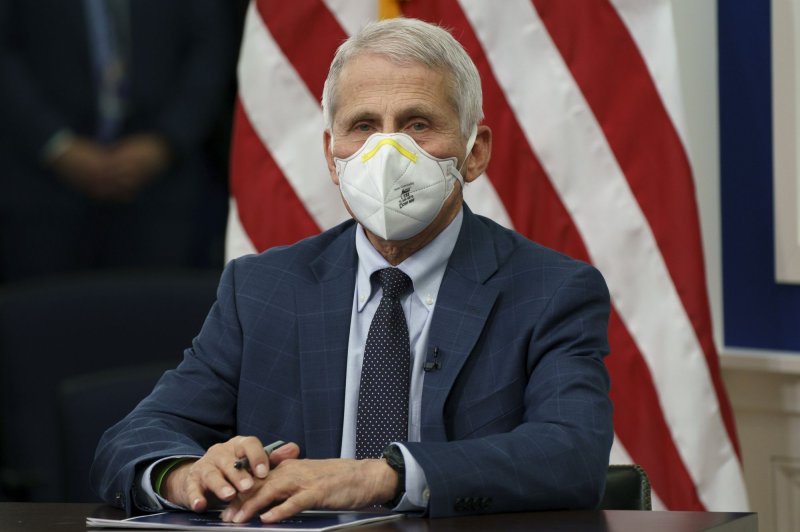
At the center of these concerns is Anthony Fauci, a central figure in the federal pandemic response. Some sources have gone further, suggesting that legal scrutiny could follow if evidence of misconduct were to emerge, including questions surrounding email practices and whether certain discussions were intentionally kept off record.
As of now, no charges have been filed, and no law enforcement agency has confirmed any investigation leading to imminent arrests.
Funding Beyond Borders
The questions do not stop at data. Sources are also raising concerns about the use of U.S.-linked funding for international research, including work conducted in overseas laboratories.
Public documentation shows that U.S. agencies supported global scientific collaboration prior to the pandemic. However, some critics argue that these arrangements may have created gray areas—where research conducted abroad operated under different oversight expectations than it would have within the United States.
No definitive evidence has emerged showing that such funding was used to circumvent U.S. law. But the perception alone has fueled suspicion.
Operation Warp Speed: Triumph or Treason
All of this unfolded during the rollout of Operation Warp Speed, the Trump-era initiative that accelerated vaccine development at unprecedented speed.
By conventional metrics, the program succeeded. Vaccines were delivered in record time, and millions of lives MAY likely have been saved. But speed came with tradeoffs—compressed timelines, evolving data, and a reliance on public trust at a moment when trust was already fragile.
That brings the focus back to Donald Trump and the administration that championed the effort. If the current allegations hold any weight, they suggest a more complicated reality: that the political leadership driving the initiative may not have had full visibility into how scientific data and internal communications were being managed.
That is the uncomfortable possibility—the elephant in the room.
What We Know—and What We Don’t
The December 2019 warning described here stands as a firsthand account, not a confirmed finding. The more recent claims about data handling, funding, and internal communications remain unproven.
But taken together, they point to a larger issue: a gap between what the public was told and what some insiders now say was happening behind closed doors.
In a moment of crisis, speed and control can feel necessary. But in the years that follow, those same decisions demand scrutiny.
Because the real story of the pandemic is not just about how fast the system moved.
It is about whether it told the full truth while doing it.
About the Author