Turned Away at the Border—And Somehow We’re the Ones Called “Closed”?
By Watertown Post Opinion Desk
There’s a certain brand Canada has carefully cultivated over the years—polite, open, welcoming. The friendly neighbor with the maple leaf who lectures the rest of the world, especially the United States, about tolerance and fairness.
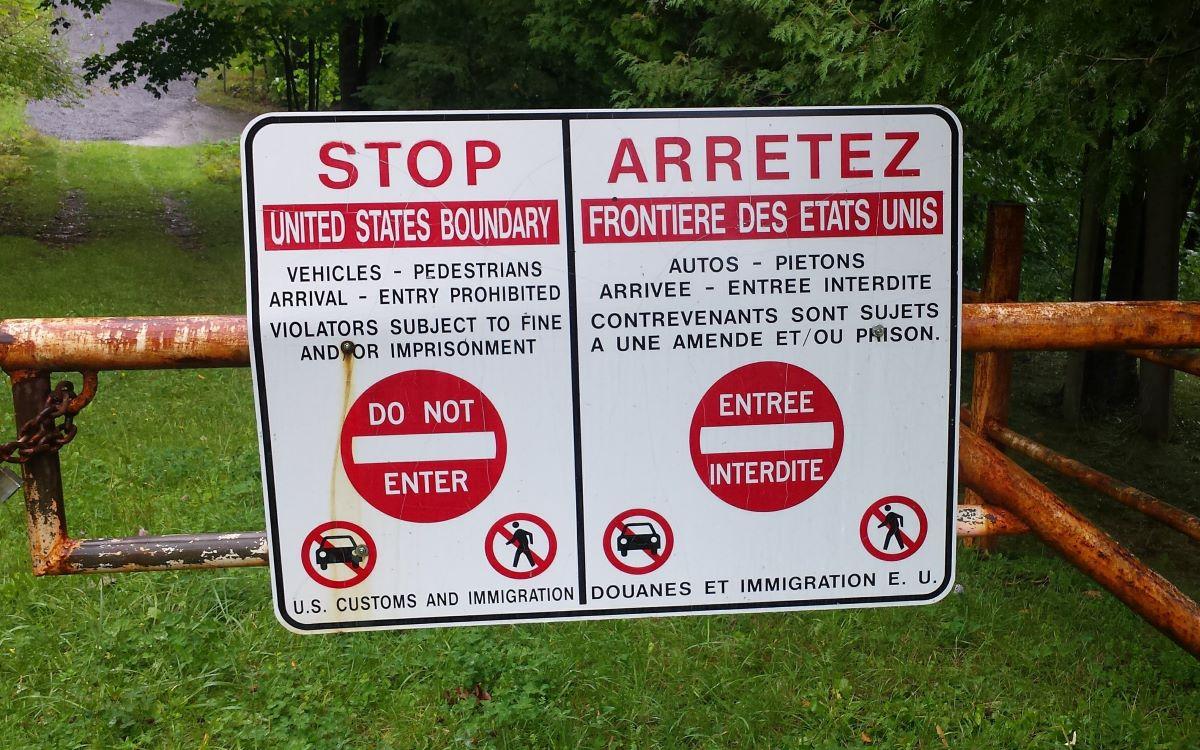
And then there’s the border.
Because if you’re an American with a past—maybe a DUI from ten years ago, maybe a minor offense you paid for and moved on from—you can find yourself sitting in your car, staring at a uniformed officer who has already decided: you’re not coming in.
No warning. No nuance. No “we see you’ve turned your life around.”
Just a hard stop and a U-turn.
🚧 The Quiet Double Standard
Here’s where the conversation gets uncomfortable.
Canadians cross into the United States every day—millions of trips a year. And yes, the U.S. has its own rules. But in practice, many minor past offenses don’t trigger automatic denial at the border. People move, visit, shop, and vacation.
Now flip the direction.
Americans are held to a different threshold—one that can reach back years, even decades, to pull a file and say: Nope. That mistake still defines you here.
So let’s call it what it looks like from this side of the bridge:
A one-way moral standard.
🎭 The Image vs. The Reality
Canada projects an image of compassion and second chances.
But at the border, the philosophy can feel like the opposite:
- No recognition of rehabilitation unless you file formal applications
- No flexibility at the moment of entry
- No acknowledgment that people change
It’s bureaucracy over humanity, dressed up as policy.
And the irony? It’s happening at the border of a country that frequently critiques the United States for being too harsh, too rigid, too unforgiving.
🪞 So Who’s Actually Being Judgmental?
For years, the U.S. has taken its share of criticism—labeled everything from strict to outright intolerant in global conversations.
But here’s a question that doesn’t get asked enough:
What do you call a system that permanently bars people over past mistakes with little room for context?
Because from where many Americans sit—literally idling at a Canadian checkpoint—the answer doesn’t exactly scream “open-minded.”
⚖️ Not About Open Borders—About Equal Standards
This isn’t an argument for throwing the doors wide open. Every country has the right to control who enters.
But if two nations share the closest, most integrated border relationship in the world, shouldn’t there be some level of consistency?
Instead, what we have is a situation where:
- One side emphasizes discretion and case-by-case outcomes
- The other enforces rigid admissibility rules with limited flexibility at the gate
That imbalance doesn’t just create inconvenience—it creates resentment.
🧭 The Bottom Line
Canada has every legal right to enforce its rules. No argument there.
But when a country builds its global reputation on openness while enforcing some of the strictest entry standards for its closest neighbor, people are going to notice the gap between the message and the reality.
And when Americans are turned away for old mistakes while Canadians move south with far fewer visible barriers, the question practically asks itself:
Who exactly is being unfair here—and why is the finger always pointed in the same direction?
About the Author