Electric Bus Mandate Speeds Forward—Who Pays the Price?
New York Doubles Down on Electric School Bus Mandate Despite Rising Concerns
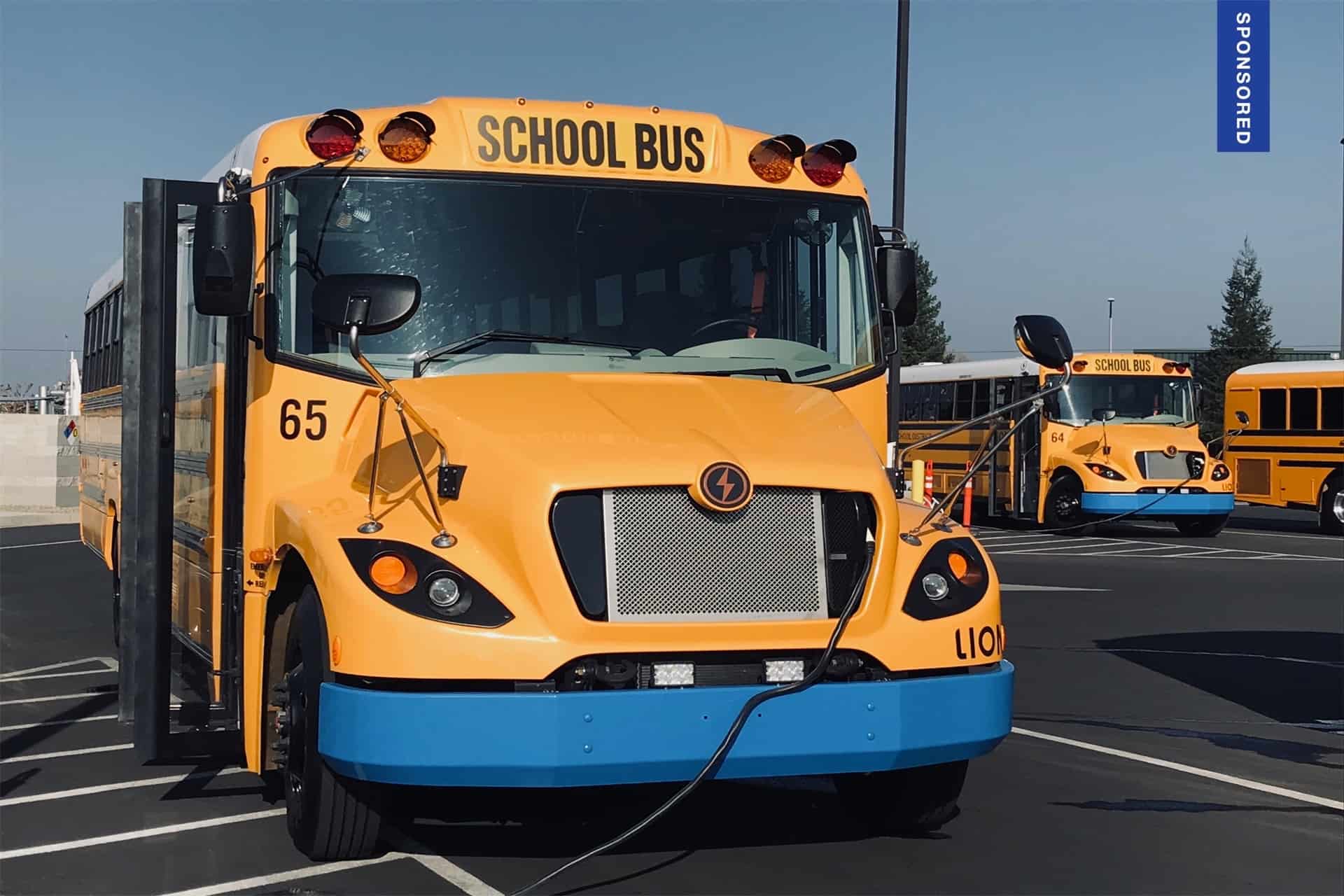
WATERTOWN, N.Y. — New York State is moving forward with one of the most aggressive school transportation mandates in the country, requiring a full transition to electric or zero-emission school buses by 2035. But as the policy advances, so do questions about its cost, practicality, and impact on taxpayers.
This week, the New York State Senate rejected an amendment introduced by George Borrello that would have replaced the statewide mandate with a limited pilot program. The proposal aimed to test electric bus technology in real-world conditions before committing billions in public funds.
Instead, lawmakers chose to stay the course.
A Mandate Without a Test Run
Under current law, all new school bus purchases must be electric or zero-emission starting in 2027, with a complete fleet transition required by 2035. The policy aligns with New York’s broader climate goals established under former Governor Andrew Cuomo and continued by Governor Kathy Hochul, including a 40% reduction in greenhouse gas emissions by 2030 and 85% by 2050.
The rejected amendment would have taken a different approach—testing the technology first, identifying limitations, and scaling accordingly. That approach, often used in large infrastructure transitions, was dismissed in favor of immediate statewide implementation.
Cost Pressures Mount
School districts across New York are already raising alarms.
Electric school buses can cost up to four times more than traditional diesel models. For public school systems operating within tight budgets, those costs don’t disappear—they are either passed on to taxpayers or offset through cuts in other areas.
Supporters argue that lower fuel and maintenance costs will eventually balance the higher upfront price. But in regions like Northern New York, colder temperatures can reduce battery efficiency and increase energy demand for heating, potentially delaying or reducing those savings.
For many districts, the timeline to realize long-term savings may not align with immediate budget realities.
Infrastructure Challenges
The transition involves more than just purchasing new buses.
Districts must install charging stations, upgrade electrical systems, and coordinate with utility providers—many of which are already under strain. These challenges are especially significant in rural and suburban areas, where infrastructure is less developed and resources are more limited.
Despite these hurdles, the mandate offers limited flexibility beyond a narrow extension process.
Local Impact, Statewide Consequences
The issue is increasingly being felt at the local level.
School budget votes that include electric bus funding are becoming contentious, forcing communities to balance environmental goals against rising costs. In some cases, proposals have already been rejected by voters, creating uncertainty about how districts will meet state requirements.
Meanwhile, residents across New York are already facing rising utility bills and higher costs of living, adding to concerns about affordability.
A Broader Debate
New York is not alone in pursuing aggressive electrification policies, but its timeline and scope are among the most ambitious. The decision to proceed without a pilot phase places the state at the center of a broader national debate about how quickly large-scale energy transitions should occur—and at what cost.
Governor Hochul has recently acknowledged that some aspects of the state’s climate strategy may need reevaluation. That acknowledgment raises further questions about whether the current approach to school bus electrification allows for enough flexibility as conditions evolve.
What Comes Next
As the mandate shifts from policy to implementation, its real-world effects will become increasingly clear.
School districts will face budget pressures. Taxpayers will see the financial impact. And state leaders will ultimately be judged on whether the transition delivers both environmental benefits and economic sustainability.
For now, the debate is far from settled—and the costs, both financial and political, are only beginning to surface.
About the Author