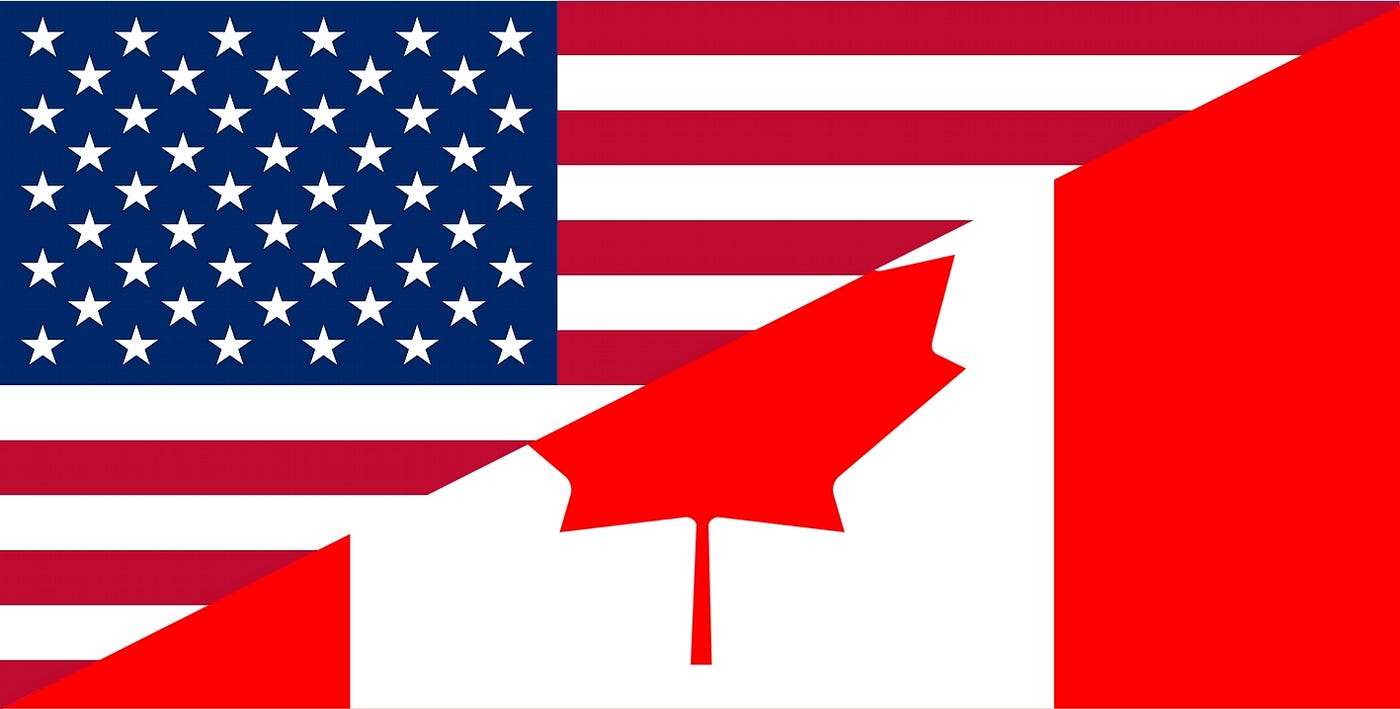
-Cape Vincent NY By Hans Wilder
Let’s start with the obvious.
If I were Canadian, I would probably hate this conversation too.
Nobody likes being told that the country they grew up in may someday become part of something larger. National identity is a real thing. Flags matter. History matters. Traditions matter. I understand completely why many Canadians become emotional whenever the subject of North American unification comes up.
But understanding something does not make it any less likely.
In my opinion, North American unification is no longer a question of if. It is a question of when.
History is full of examples where political realities eventually caught up with economic realities. The United States and Canada already share one of the most integrated economic relationships on Earth. Millions of people live within a short drive of the border. Businesses operate on both sides. Supply chains operate on both sides. Families exist on both sides.
The border itself increasingly looks like a line on a map rather than a dividing line between civilizations.
Many Canadians hear this and immediately say, “We would lose our sovereignty.”
Again, I understand the concern.
When the South lost the American Civil War, many Southerners spent generations adjusting to a new reality. Their regional identity never disappeared. Their culture never disappeared. Their traditions never disappeared. They remained Southerners even after the political question had been settled.
The same thing would happen in Canada.
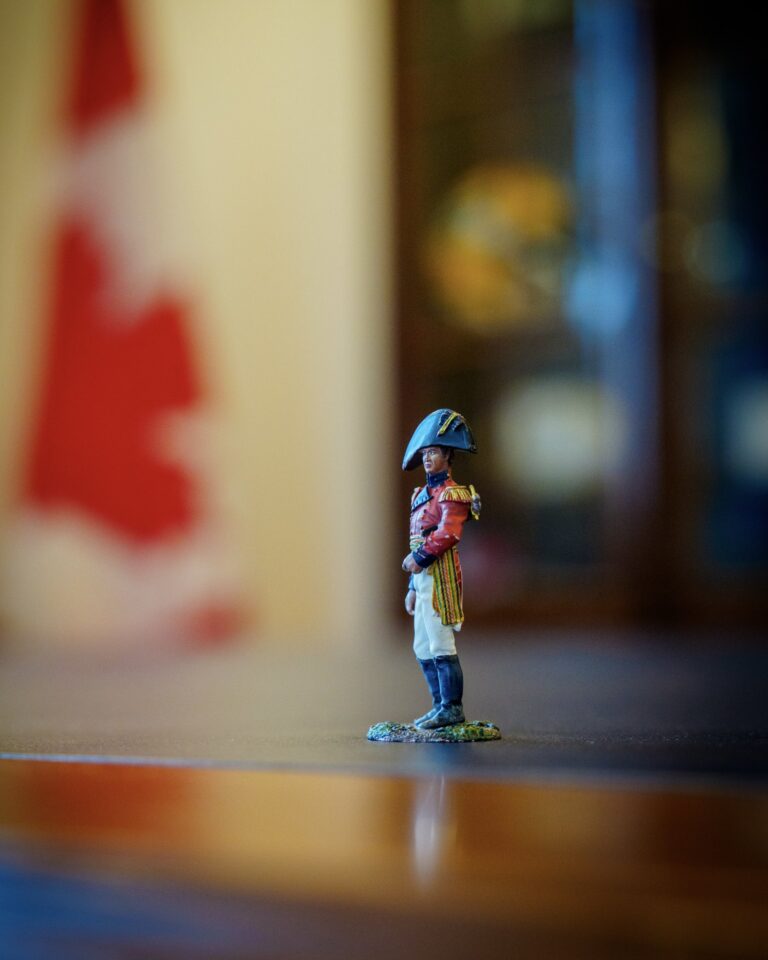
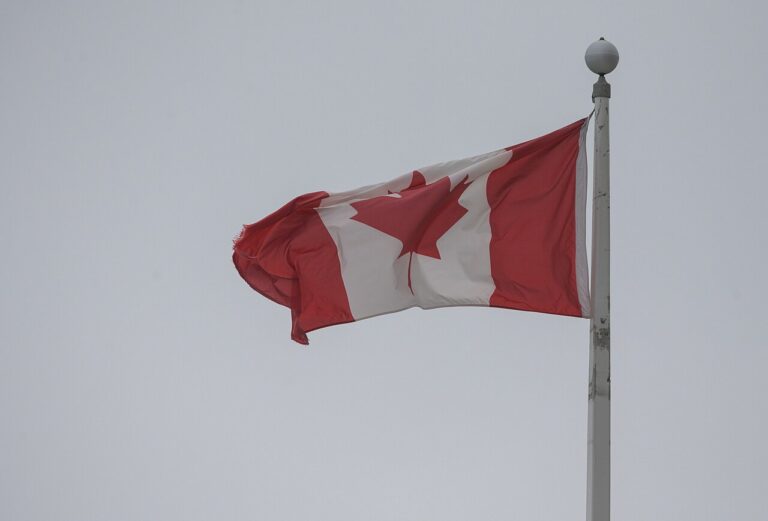
The Canadian flag would still fly.
Canadian bumper stickers would still be everywhere.
Canadians would still argue about hockey.
People from Alberta would still be Albertans. People from Quebec would still be Quebecers. Newfoundlanders would still be Newfoundlanders.
Political structures can change without erasing identity.
What are Canada’s alternatives?
Europe?
Europe can barely keep Europe together.
China?
The United States would never tolerate a hostile strategic power establishing dominant influence over the northern half of North America. That’s simply not how great powers operate. Geography matters, and Canada occupies some of the most strategically important territory on Earth.
The reality is that Canada’s future remains tied to the United States whether people like hearing it or not.
Would the transition be messy?
Absolutely.
Many Canadians would be furious.
Many Americans would be furious.
There would be arguments over representation, laws, taxes, immigration, language rights, provincial powers, statehood and countless other issues.
For a period of time, there would likely need to be special arrangements and transitional policies while governments sorted everything out.
Nobody should pretend otherwise.
But twenty years later?
My guess is that future generations would wonder what all the fuss was about.
The old border would become a historical artifact. The War of 1812 would become a chapter in a history book instead of a defining national story. Kids would learn about it the same way Americans today learn about disputes between states that no longer matter.
What would matter is the result.
A continent-sized economic powerhouse stretching from the Gulf Coast to the Arctic.
The largest concentration of natural resources on Earth.
Energy abundance.
Agricultural abundance.
Fresh water abundance.
A combined market and workforce capable of competing with anyone.
The envy of the world.
People will call this crazy.
They said the same thing about countless political changes throughout history right before they happened.
Maybe it happens in ten years.
Maybe it happens in fifty.
But from where I sit here in Northern New York, looking across a river that often feels more like a neighborhood than a border, the long-term direction seems obvious.
Canadians won’t stop being Canadians.
Americans won’t stop being Americans.
But someday both may find themselves part of something larger than either nation imagined.
And when that day comes, the world will look very different than it does today.
About the Author