Canadian Doctors Under Pressure – A System in Crisis
Watertown, N.Y. — By Hans Wilder
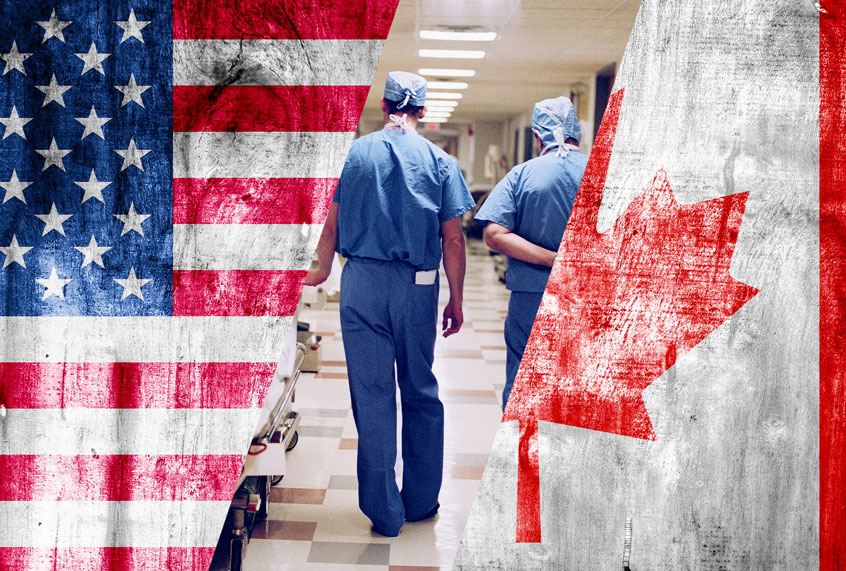
Canada’s public healthcare system is under intense scrutiny as the country spends heavily yet delivers some of the longest wait times in the developed world. With patients facing months or years for essential care, many Canadians are forced to pay out of pocket for treatment abroad. For Northern New York, this presents a compelling opportunity: building new, state-of-the-art private medical facilities to serve paying Canadian patients and turn the North Country into a regional healthcare destination.Recent reports show Canada’s median wait time from specialist referral to treatment reached 28.6 weeks in 2025 — among the longest recorded. Doctor shortages, limited hospital beds, and restricted access to timely procedures leave patients suffering and, in some cases, facing life-threatening delays. Despite high spending, outcomes continue to lag. Importantly, Canada’s system largely prohibits private medical care for core services. Patients cannot simply pay privately at home to jump the queue for most treatments. This forces many to seek care in the United States and other countries, often at significant personal expense.
A Cross-Border Opportunity for Watertown and the North CountryWatertown’s proximity to major Canadian population centers makes it ideally suited for this role. The city lies just a short drive from Ottawa (approximately 126 miles) and within easy reach of Montreal and parts of Southern Ontario. Millions of Canadians live within 1,000 miles — a vast potential patient base desperate for faster access to quality care.The solution for Northern New York isn’t simply repurposing existing capacity. New, purpose-built, state-of-the-art facilities would need to be developed — modern hospitals and clinics equipped with the latest technology, designed for efficiency and patient comfort. These centers could specialize in areas with the longest Canadian backlogs, such as orthopedic surgery, diagnostic imaging, cardiology, cancer care follow-ups, and elective procedures.Canadians would pay out of pocket or through private arrangements for these services. This model brings in new revenue that supports facility construction, staffing, and operations while injecting substantial dollars into the local economy. Patients and their families would need lodging, dining, transportation, and other services during treatment and recovery stays.
Economic Benefits for Local ResidentsDeveloping these facilities would create construction jobs in the short term and high-quality healthcare positions long term — physicians, nurses, technicians, administrators, and support staff. Local suppliers and businesses would see increased demand. Existing Northern New York hospitals could also benefit through partnerships, referrals, or shared resources, ultimately improving care availability for area residents.Northern New York already welcomes Canadian visitors for shopping and tourism. Expanding into high-value medical services could elevate the entire regional economy. With Fort Drum providing stability, healthcare-focused development would add diversification and resilience.
Challenges and the Path ForwardSignificant work remains. Building new facilities requires investment, regulatory approvals, and planning. Cross-border issues — including insurance coordination, licensing for providers, patient travel logistics, and billing — must be addressed. State and local leaders, in partnership with healthcare providers and economic development organizations, would need to champion the vision and streamline processes.Yet the potential rewards are substantial. While Canada grapples with systemic reform and debates the role of private options, Northern New York can act. By constructing world-class private medical centers, we offer Canadians a nearby, timely alternative and create lasting prosperity for our communities.The North Country has the location, the work ethic, and the opportunity. With bold investment in new state-of-the-art facilities, Watertown and Jefferson County could become a magnet for medical care — delivering hope to patients paying out of pocket while building a stronger economic future for local families.The time to explore this vision is now.
About the Author