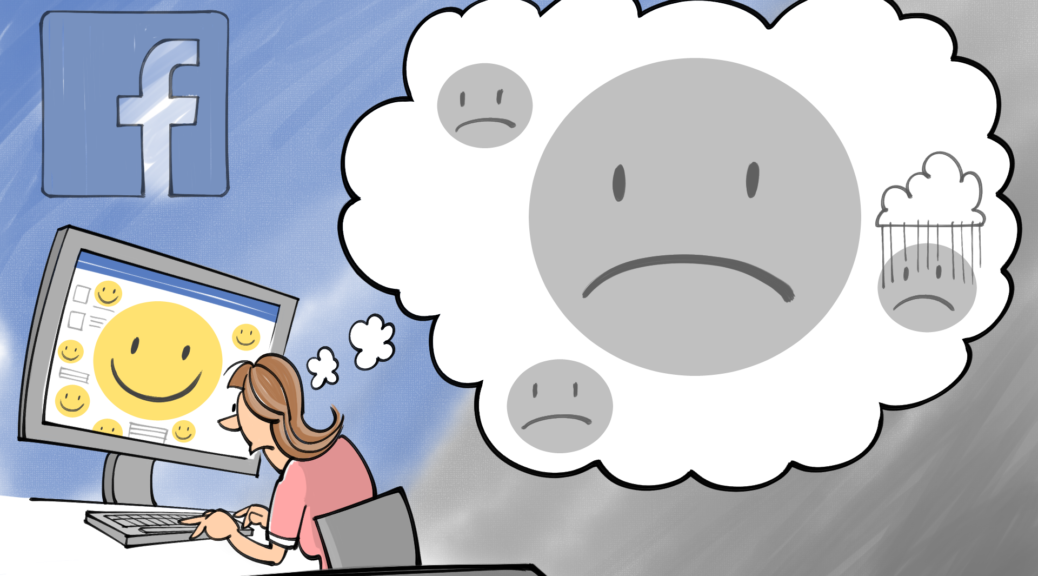
The Watertown Post There comes a moment in every Facebook group’s life when the pitchforks turn inward. For Watertown, New York Nosy Neighbors, that moment appears to be now.
By Watertown Post Staff
There comes a moment in every Facebook group’s life when the pitchforks turn inward. For Watertown, New York Nosy Neighbors, that moment appears to be now.
Scroll through local Facebook chatter and you’ll see a growing chorus of complaints: longtime members booted for stating opinions, small businesses removed for daring to exist, and others shown the door for nothing more than metaphorically petting the dog the wrong way. The result has been entirely predictable—because this is America, not a gated HOA with a clipboard.
New groups are popping up everywhere. Watertown Tea Watertown Tea. Nosey Neighbors of Awesome Watertown NY and other Variations on a theme, multiplying faster than pothole complaints in March. The idea that one Facebook group could ever monopolize community conversation was always fantasy—and not even the fun sci-fi kind.
The Trademark Delusion Era
Some of the more entertaining posts floating around accuse these new groups of “trademark infringement,” sometimes sprinkled with ominous warnings about artificial intelligence and “AI slop.” For clarity:
- “Nosy neighbors” is not a trademarked concept.
- There are thousands of “nosy neighbor” groups across the United States.
- No one owns the phrase, the idea, or the general human impulse to gossip.
That’s not how trademarks work. You don’t get to claim ownership of common language because your Facebook group got popular in 2019. If that were the case, half the country would owe royalties to someone named Karen.
AI Slop vs. Actual Journalism
There’s also confusion being stirred between mass-produced, low-effort AI content and real journalism. Yes, “AI slop” exists—industrial-scale content pumping with no sourcing, no accountability, and no editorial spine.
That is not what a newsroom does.
Watertown Post, owned by Digital Media USA, operates like an actual publication: sourcing, editing, accountability, and syndication relationships that bring verified information into articles. That’s the difference between a newspaper and a Facebook post typed during halftime.
One is journalism. The other is vibes.
“You’re Not Allowed to Advertise” (Except… You Are)
Another recurring claim: that you’re “not allowed” to advertise in Facebook groups or on pages. In reality, you absolutely can advertise on Facebook—and do it far more effectively.
Paid ads let businesses target the exact same audience without being roasted in comment sections by strangers who woke up angry at their toaster. The idea that banning small businesses from posting somehow protects users is… optimistic at best.
And honestly, if your business model depends on free posts in a Facebook group run by a handful of moderators, that’s not marketing—that’s roulette.
The Lifecycle of Every Big Group
To be fair, Watertown, New York Nosy Neighbors was genuinely good in its early days. Most big groups are. They start organic, helpful, and community-driven.
Then scale hits. Moderation tightens. Opinions get filtered. Rules multiply. And eventually, the group forgets it’s a town square and starts acting like a private club—while still calling itself “public.”
What happens next is inevitable: splinter groups form, competition emerges, and the conversation decentralizes. That’s not failure—that’s the free market doing push-ups.
The Reality Check
You can’t trademark a vibe.
You can’t own a community forever.
And you definitely can’t stop people from talking—especially in Watertown.
Facebook groups rise, peak, and fragment. Local news organizations document, verify, and endure. The difference matters.
And if history is any guide, the more someone insists they “own” the conversation… the faster the conversation moves on without them.
About the Author